 Gunjan Kumari
|
November 24, 2026
|
5 Min Read
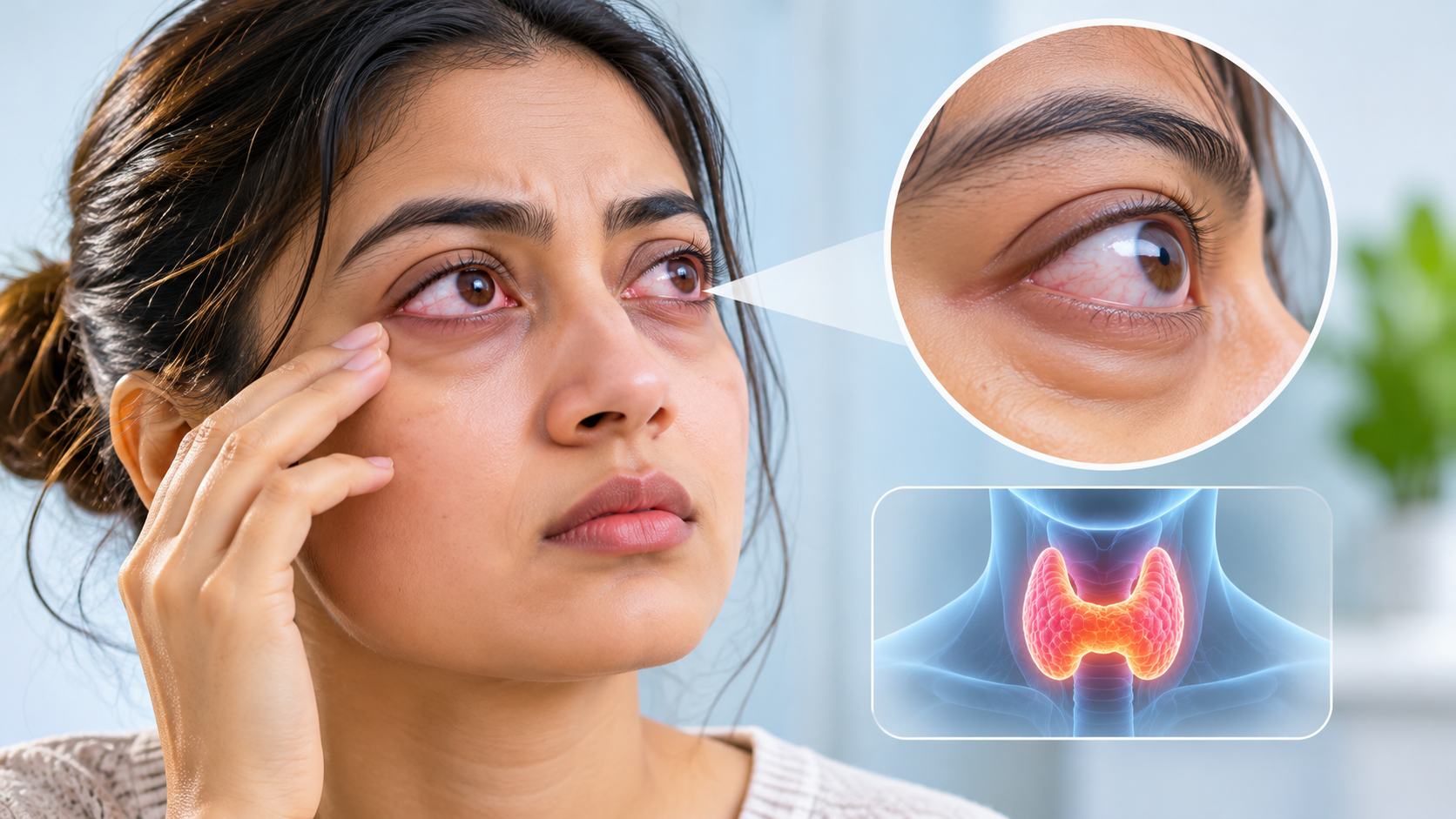
Thyroid eye disease symptoms can begin with subtle changes such as dry eyes, eyelid swelling, or sensitivity to light. These symptoms may initially resemble allergies or ordinary eye irritation. However, thyroid eye disease (TED) is an autoimmune condition that causes inflammation in the muscles, fatty tissues, and other structures surrounding the eyes. Recognizing its early signs can help patients receive timely diagnosis and appropriate treatment.
TED is most commonly associated with Graves’ disease, an autoimmune condition that causes an overactive thyroid. However, it can also occur in people with normal or underactive thyroid functions.
Common early signs include:
Symptoms may affect both eyes, although their severity can differ.
As TED progresses, inflammation can restrict eye movement and make it difficult to close the eyelids completely. This may expose the cornea, causing dryness and surface damage.
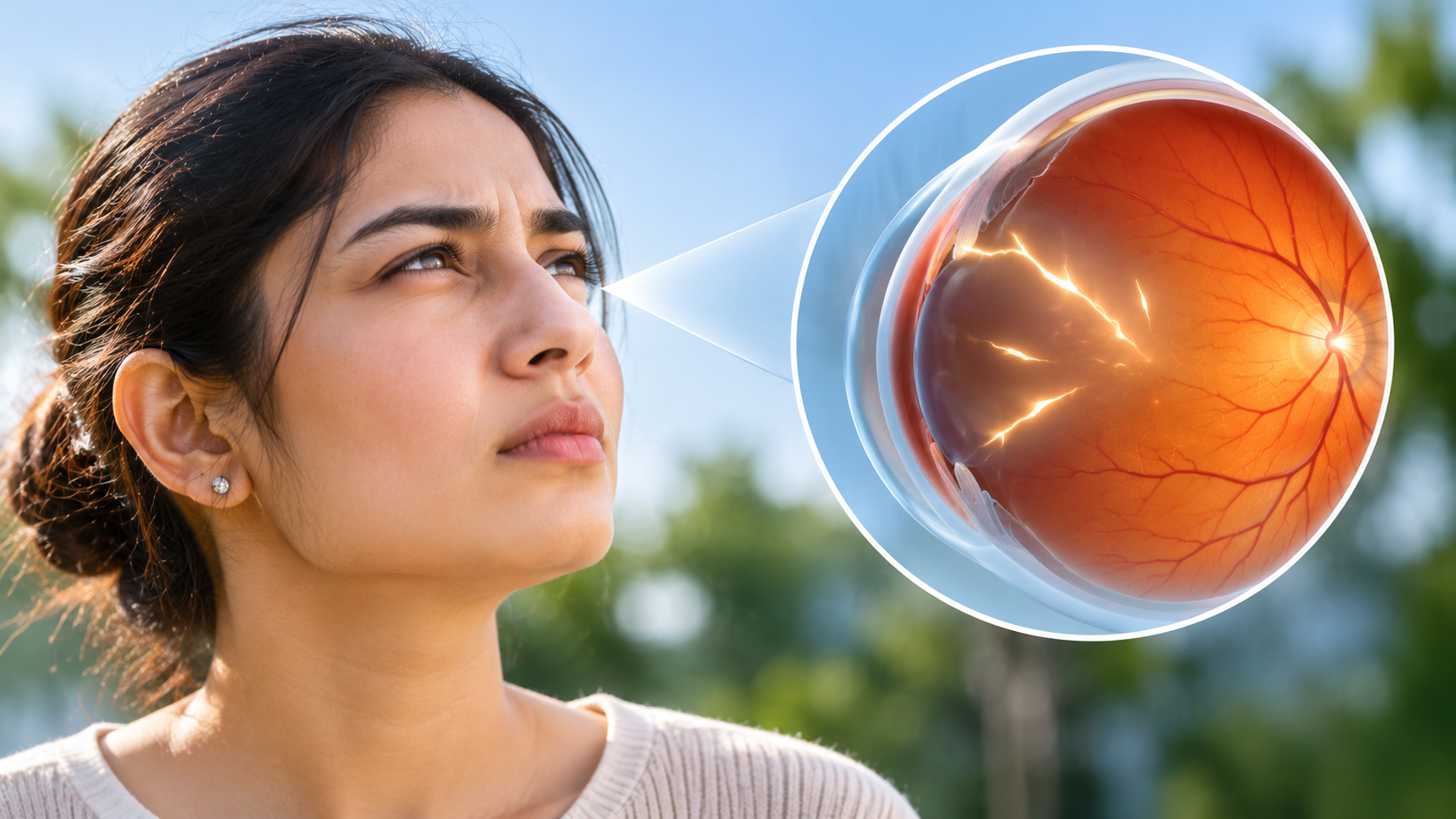
In uncommon but serious cases, swelling can compress the optic nerve and threaten vision.
Reduced vision, changes in colour perception, loss of part of the visual field, or an inability to close the eyelids completely require urgent medical attention.
Smoking is an important risk factor because it increases the risk and severity of thyroid eye disease.
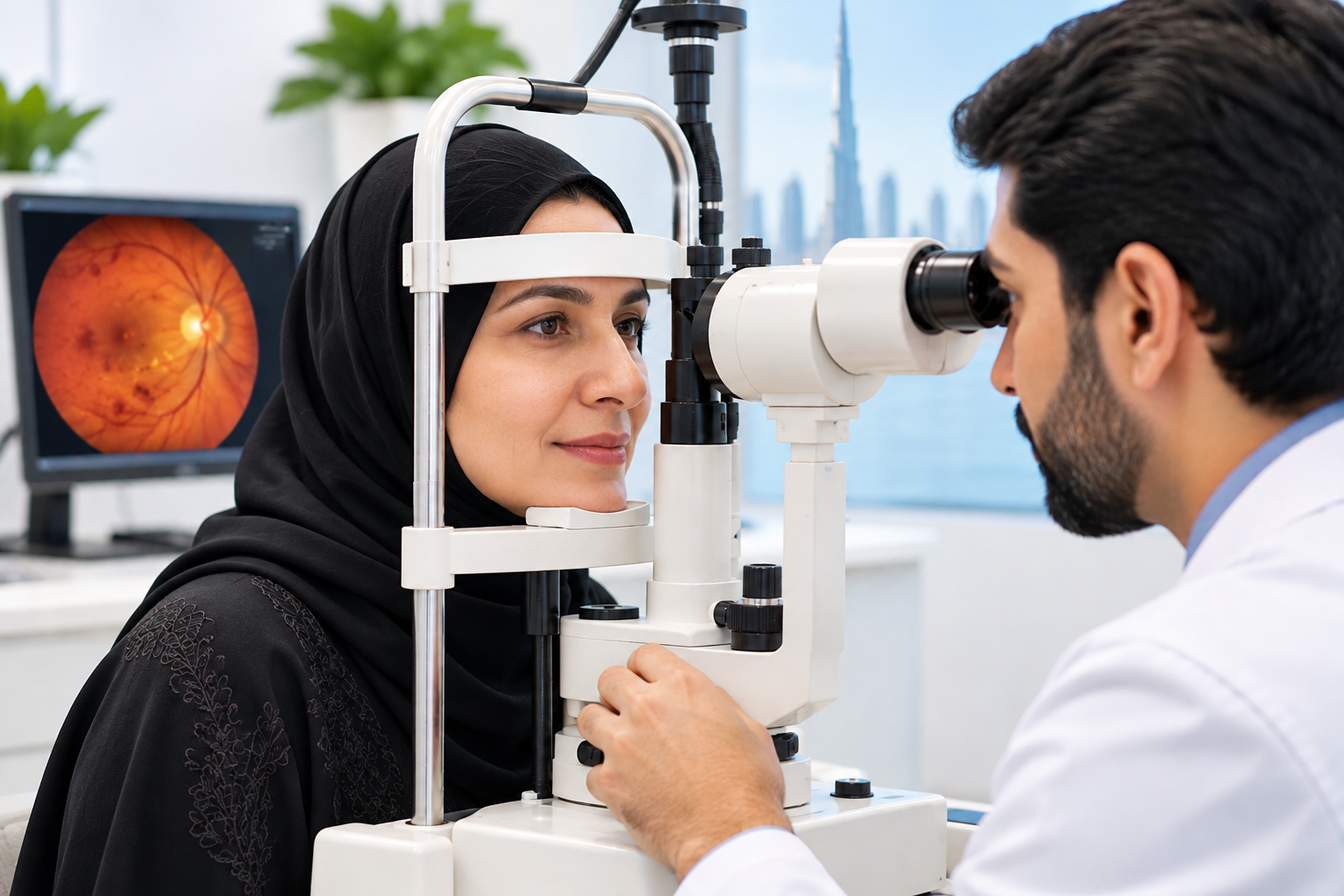
An ophthalmologist examines eye movement, eyelid position, eye prominence, and the surface of the eyes. Depending on the findings, investigations may include:
Normal thyroid blood test results do not rule out TED.
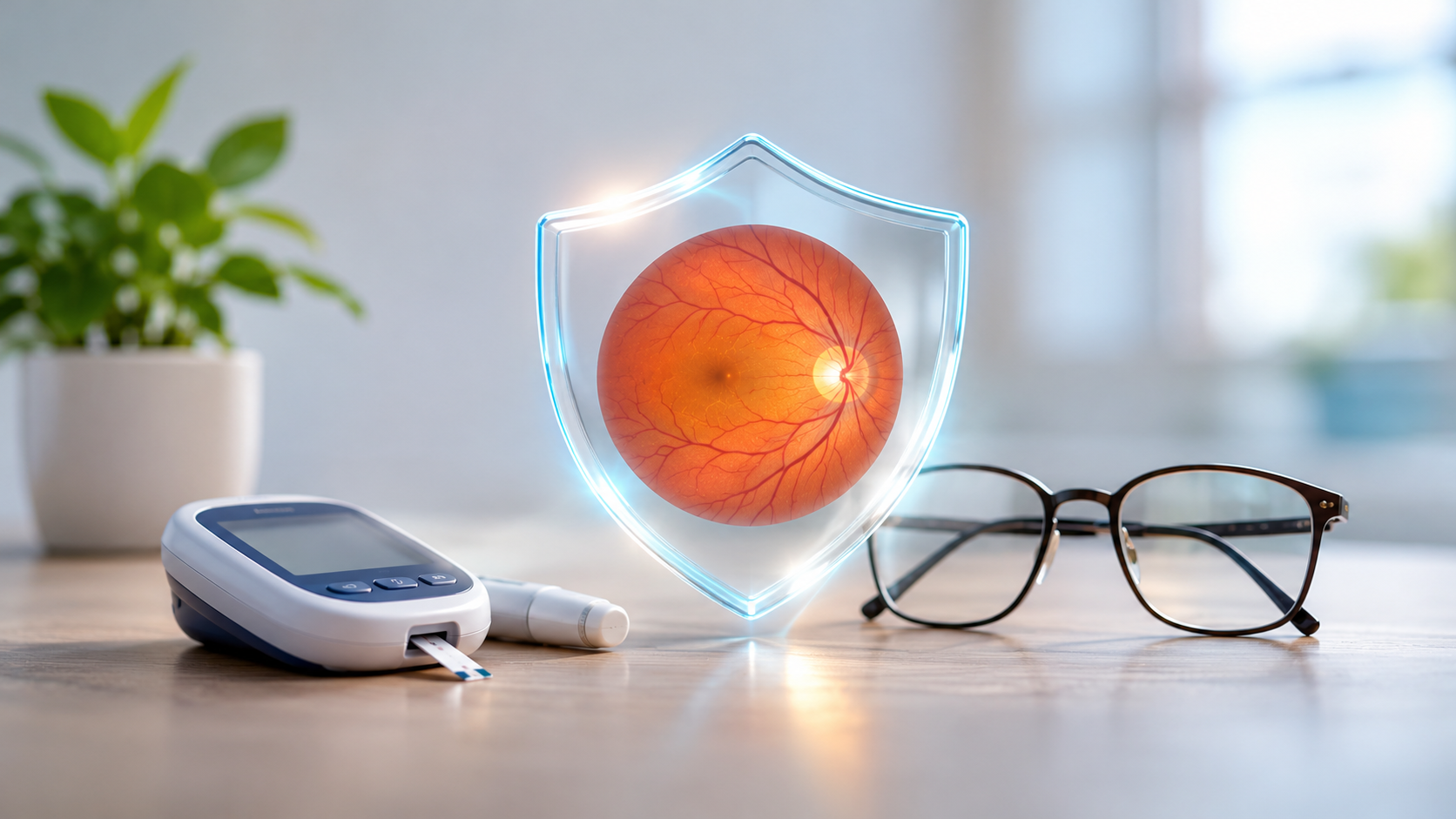
Treatment depends on the severity and activity of the disease. Mild symptoms may be managed with lubricating eye drops, sunglasses, and measures to reduce irritation. Maintaining stable thyroid hormone levels and stopping smoking are also important.
Moderate or severe cases may require prescription anti-inflammatory medicines, targeted treatments, or surgery. Treatment may involve an ophthalmologist and endocrinologist working together. The treatment plan depends on the patient’s eye condition and individual needs.
Yes. Although TED is most commonly associated with Graves’ disease, it can also occur in people with an underactive or normally functioning thyroid.
It can be. Inflammation and swelling of tissues behind the eyes may push the eyeballs forward, a condition known as proptosis.
Severe cases can threaten eyesight if swelling compresses the optic nerve, or the cornea becomes damaged because the eyelids cannot close properly. Early diagnosis and appropriate treatment help reduce these risks.
Some cases improve over time as the inflammatory phase settles. However, certain symptoms and structural changes may persist and require treatment. Regular monitoring helps determine whether the disease is active or stable.
Consult an ophthalmologist if you experience persistent eye dryness, swelling, redness, pain, bulging eyes or double vision. Seek urgent eye care if you notice reduced vision, changes in colour perception, loss of visual field or difficulty closing your eyelids completely.
Table of Contents
ToggleGet in touch with us today for expert eye care and personalized solutions. We’re here to help!
We’re here to provide reliable healthcare information and services. Let’s build a healthier future together.