 Gunjan Kumari
|
August 13, 2026
|
6 Min Read
Gunjan Kumari
|
August 13, 2026
|
6 Min Read
The cornea is the clear, dome-shaped front layer of the eye that plays a vital role in focusing light and producing clear vision. Because the cornea is responsible for much of the eye’s focusing power, even minor changes to its shape, clarity, or health can affect the quality of your vision.
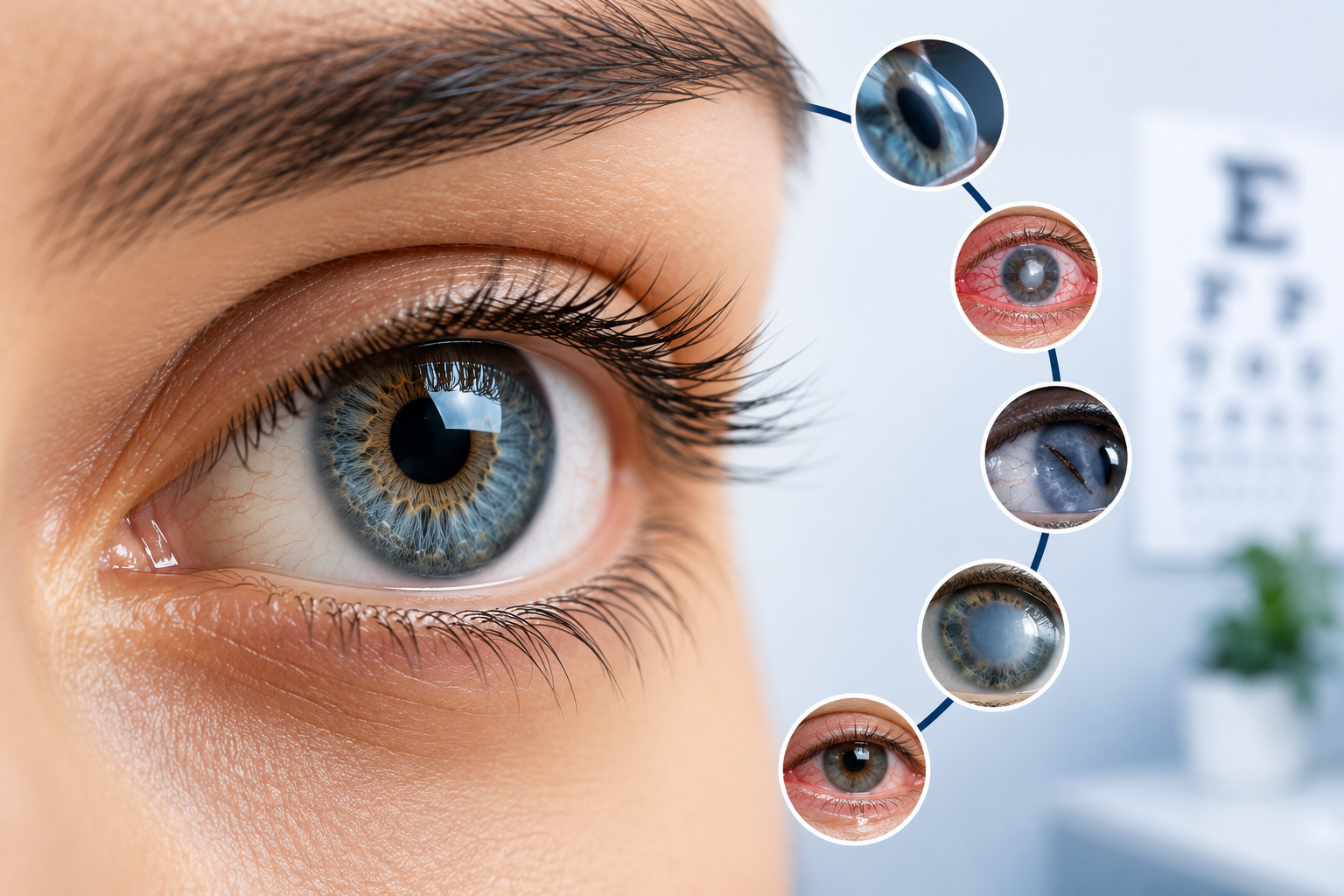
Corneal disorders can develop due to infections, injuries, inherited conditions, or underlying eye diseases. While some conditions cause mild symptoms, others can lead to significant vision problems if left untreated. Understanding the common signs of corneal disorders can help you seek timely care and protect your eyesight.
Corneal disorders are conditions that affect the cornea’s structure, transparency, or function. A healthy cornea is smooth and clear, allowing light to pass through properly. When the cornea becomes damaged, swollen, scarred, or irregularly shaped, vision may become blurred or distorted.
Many corneal conditions can be effectively managed when diagnosed early, making routine eye examinations an important part of maintaining eye health.
Keratoconus is a progressive eye condition in which the cornea gradually thins and bulges outward into a cone-like shape. This irregular shape prevents light from focusing correctly on the retina, resulting in distorted vision.
Common Symptoms
Keratoconus often begins during the teenage years or early adulthood. Early diagnosis is important because treatments such as corneal cross-linking may help slow or stop the progression of the condition.
Keratitis is an inflammation or infection of the cornea that may be caused by bacteria, viruses, fungi, or parasites. Contact lens wearers may have an increased risk of developing certain corneal infections, particularly if proper lens hygiene is not followed.
Common Symptoms
Corneal infections require prompt medical attention. Delayed treatment can increase the risk of corneal scarring and permanent vision loss
A corneal abrasion is a scratch on the surface of the cornea. It can occur due to accidental injury, foreign particles, fingernails, or improper contact lens use.
Common Symptoms
Although many minor abrasions heal quickly, an ophthalmologist should evaluate persistent symptoms to ensure proper healing and prevent infection.
Corneal dystrophies are a group of inherited conditions that affect different layers of the cornea. These disorders usually develop gradually and may affect one or both eyes.
Common Symptoms
Some people may not notice symptoms until later in life, while others may experience progressive visual changes over time.
The tear film helps keep the cornea healthy, smooth, and well-lubricated. When the eyes do not produce enough tears or the tears evaporate too quickly, the corneal surface may become irritated.
Common Symptoms
Managing dry eye disease can help prevent long-term damage to the corneal surface and improve visual comfort.
The cornea is responsible for focusing incoming light onto the retina. When the cornea becomes cloudy, irregular, swollen, or scarred, light cannot pass through correctly.
This may result in:
In severe cases, untreated corneal disorders can lead to significant vision impairment.
While not all corneal conditions can be prevented, there are steps you can take to reduce your risk:
Early diagnosis often leads to better treatment outcomes and helps preserve long-term vision.
Some of the most common corneal disorders include keratoconus, corneal infections (keratitis), corneal abrasions, corneal dystrophies, and dry eye-related corneal damage.
Yes. Certain corneal conditions can cause scarring, thinning, or permanent vision impairment if they are not diagnosed and treated promptly.
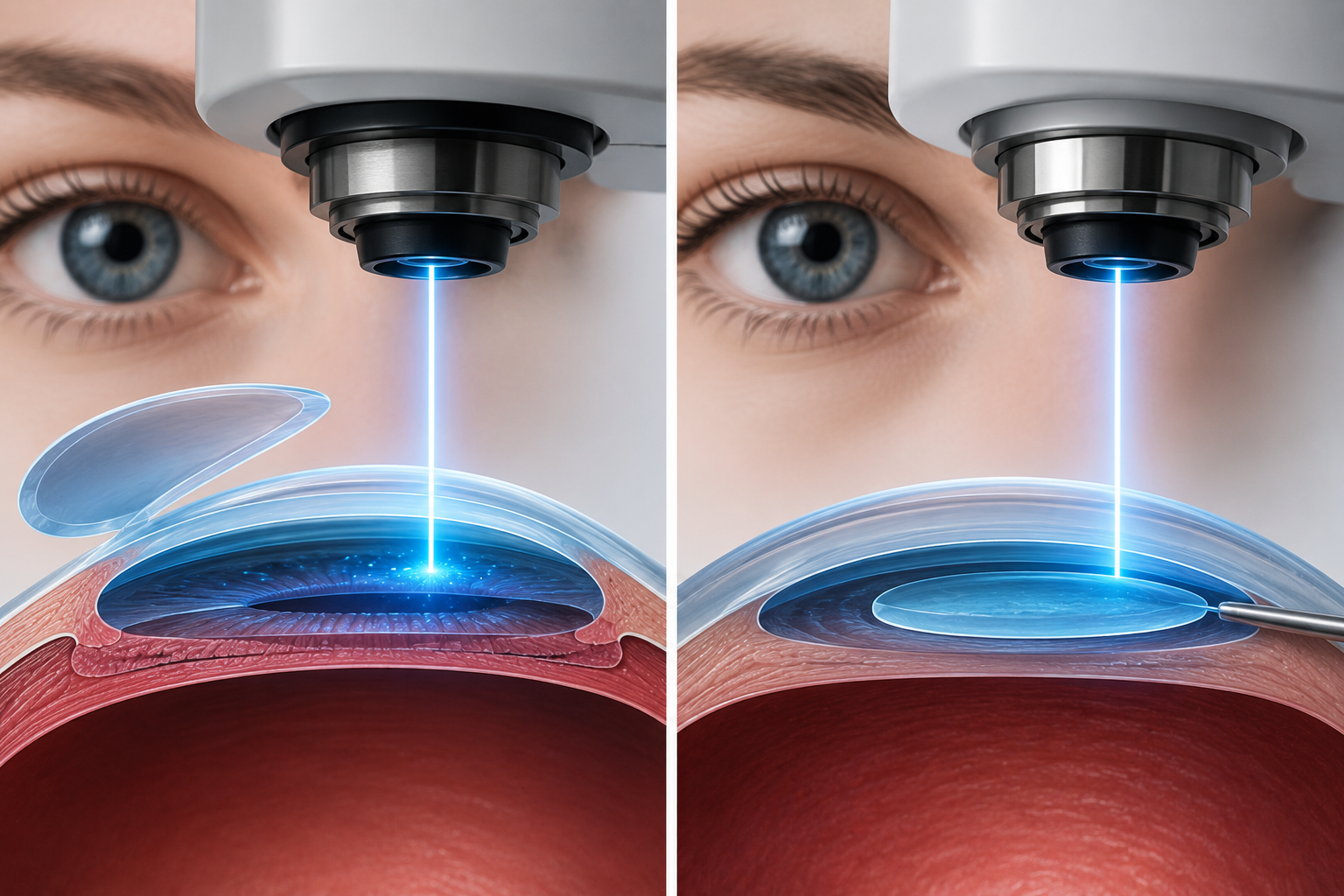
Most corneal disorders can be successfully managed with medications, specialised contact lenses, laser procedures, or surgical treatments, depending on the condition and its severity.
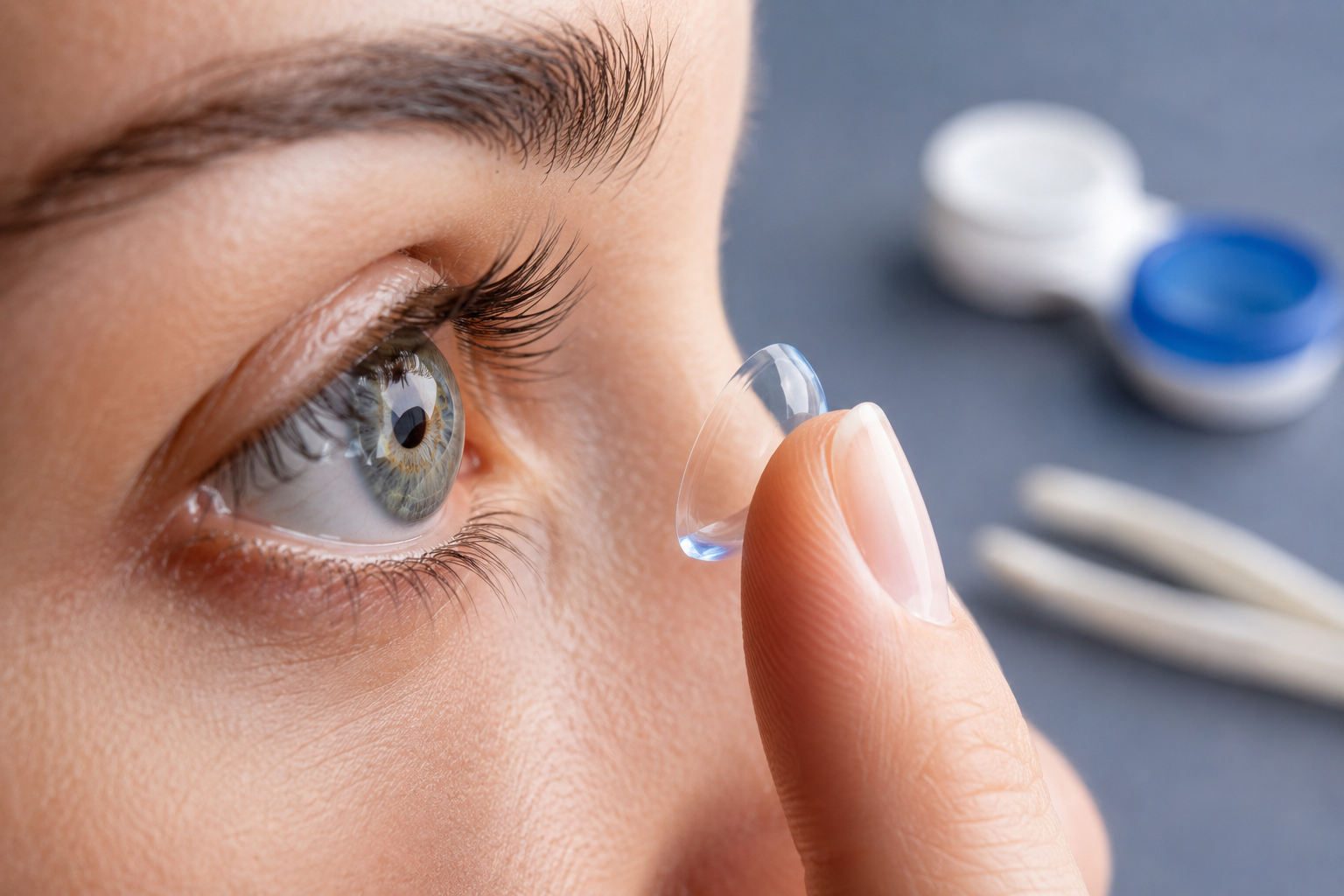
Yes. Poor contact lens hygiene, wearing lenses for longer than recommended, or sleeping in contact lenses can increase the risk of corneal irritation and infection.
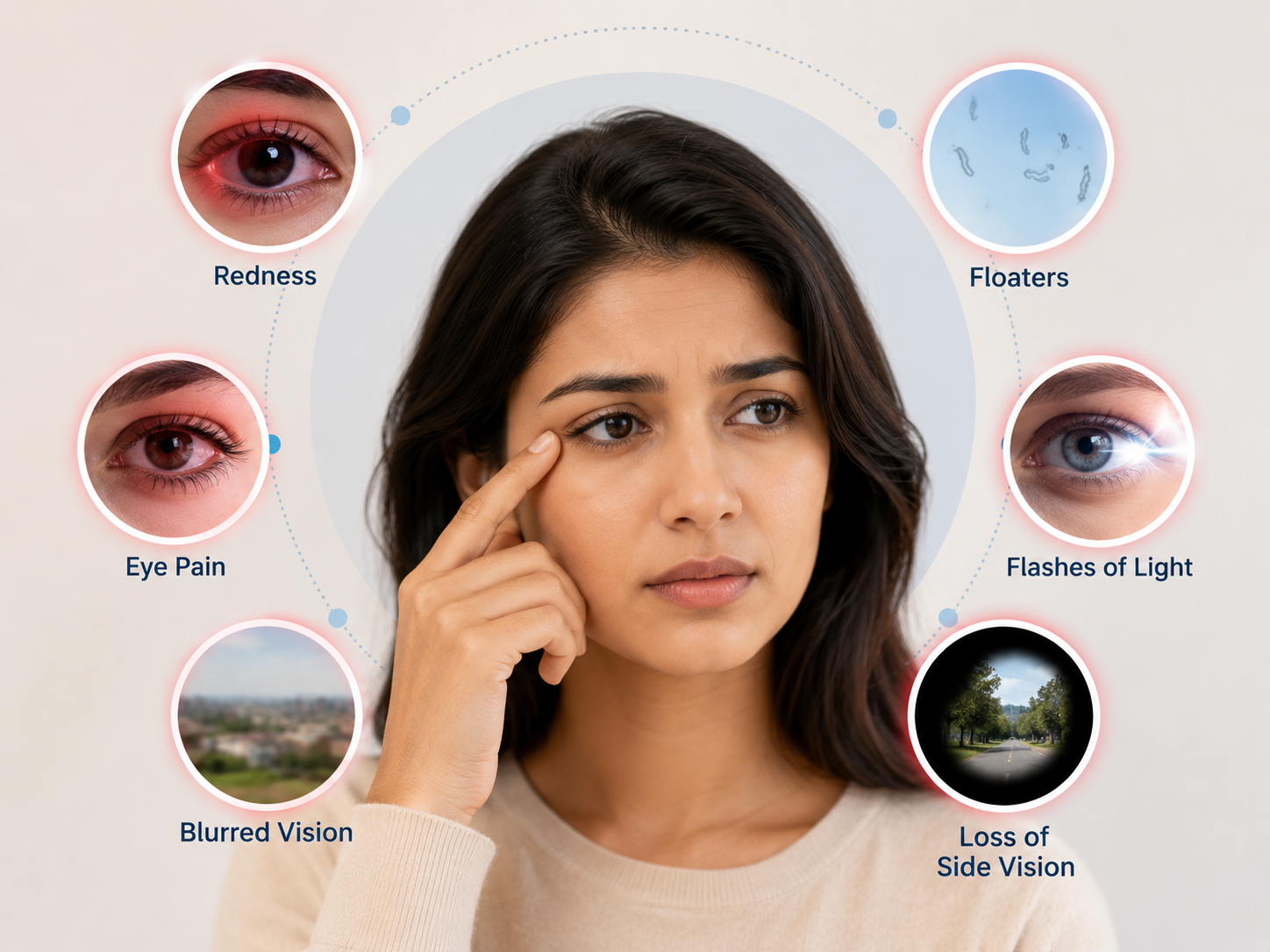
You should see an ophthalmologist if you experience persistent eye redness, pain, blurred vision, light sensitivity, excessive tearing, a feeling of something in the eye, or any sudden change in vision. Early evaluation can help detect corneal disorders and prevent complications that may affect your long-term eye health and vision.
Table of Contents
ToggleGet in touch with us today for expert eye care and personalized solutions. We’re here to help!
We’re here to provide reliable healthcare information and services. Let’s build a healthier future together.