 Gunjan Kumari
|
August 18, 2026
|
4 Min Read
Gunjan Kumari
|
August 18, 2026
|
4 Min Read
Sudden blurred vision can be frightening. Sometimes it may be caused by dry eyes or eye strain, but in other cases, it can be a sign of a serious eye condition that requires urgent treatment. Eye specialists recommend that any sudden change in vision should be evaluated promptly, especially if it occurs without an obvious reason.
Dry Eyes
Dry eyes can temporarily affect the tear film that keeps the eye surface smooth, leading to fluctuating or blurred vision.
Other symptoms may include:
Changes in Eye Power
A change in your glasses or contact lens prescription can make vision appear blurry. This usually develops gradually but may sometimes become more noticeable suddenly.
Corneal Problems
Conditions affecting the cornea, such as infections, injuries, or keratoconus, can interfere with the eye’s ability to focus light properly.
Common symptoms include:
Cataracts
Cataracts can cause cloudy or blurry vision, glare around lights, and difficulty seeing at night. Although cataracts usually develop slowly, many patients first notice them when vision suddenly seems less clear.
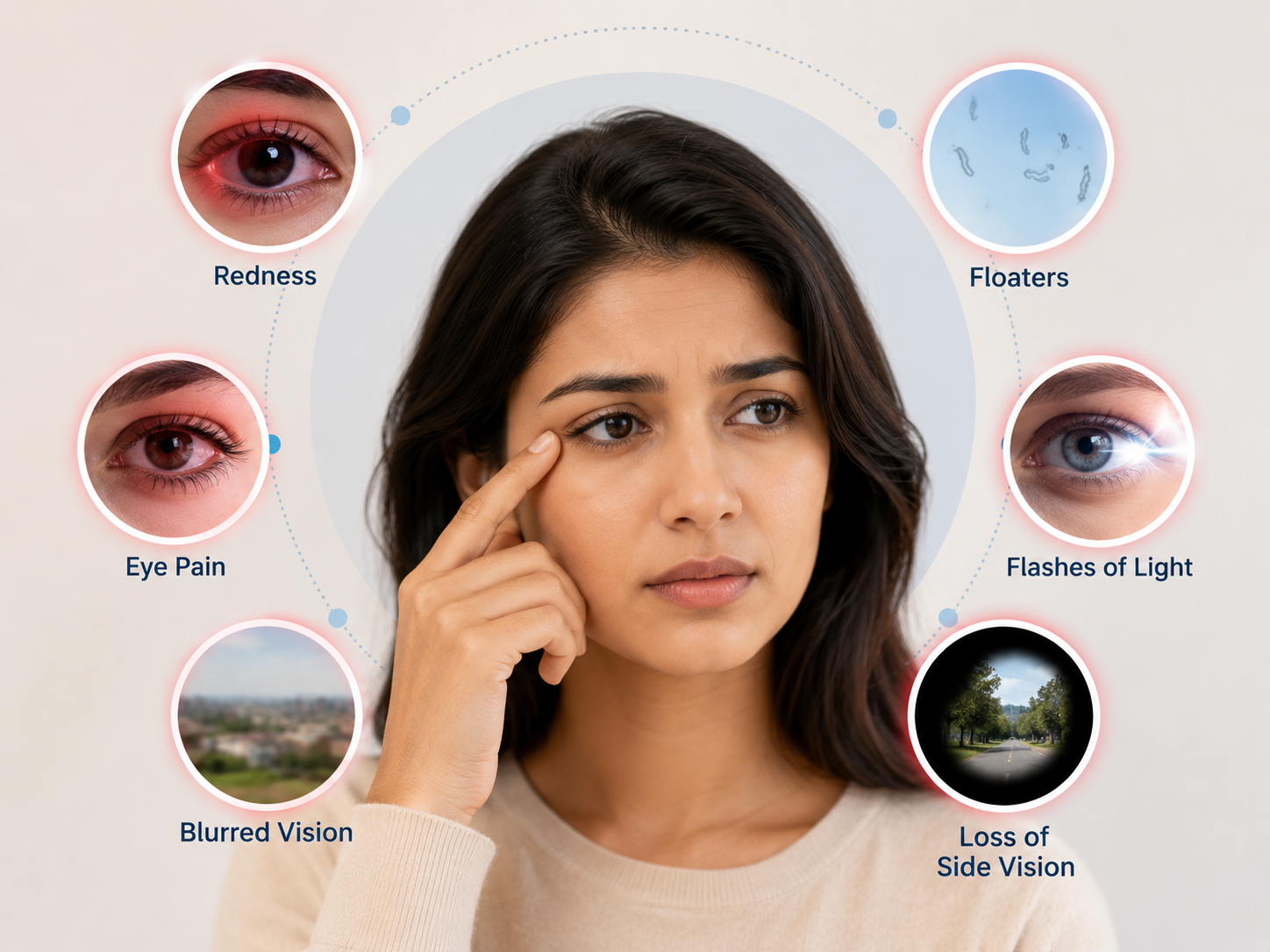
Seek urgent eye care if blurred vision is accompanied by:
These symptoms may indicate serious conditions such as retinal detachment, glaucoma, or stroke and require immediate medical attention.
Many eye conditions can be treated successfully when diagnosed early. Delaying treatment may increase the risk of permanent vision loss, especially if the retina, optic nerve, or cornea is affected. Regular eye examinations remain one of the best ways to protect your vision.
Not always. Dry eyes, eye strain, or temporary changes in focus can cause blurred vision. However, sudden vision changes should always be assessed by an eye specialist.
Yes. Dry eye disease can disrupt the tear film and cause fluctuating or blurry vision, particularly after prolonged screen use.
Yes. Improper lens use, dry eyes, corneal irritation, or infection can all lead to blurred vision and require evaluation.
Some temporary causes may improve naturally, but persistent or sudden blurred vision should not be ignored without a professional eye examination.
Yes. If blurred vision develops suddenly, especially with flashes, floaters, eye pain, redness, a shadow in your vision, or sudden vision loss, you should seek prompt evaluation from an ophthalmologist. Early diagnosis can help protect your eyesight and prevent serious complications.
Table of Contents
ToggleGet in touch with us today for expert eye care and personalized solutions. We’re here to help!
We’re here to provide reliable healthcare information and services. Let’s build a healthier future together.