 Gunjan Kumari
|
August 11, 2026
|
7 Min Read
Gunjan Kumari
|
August 11, 2026
|
7 Min Read
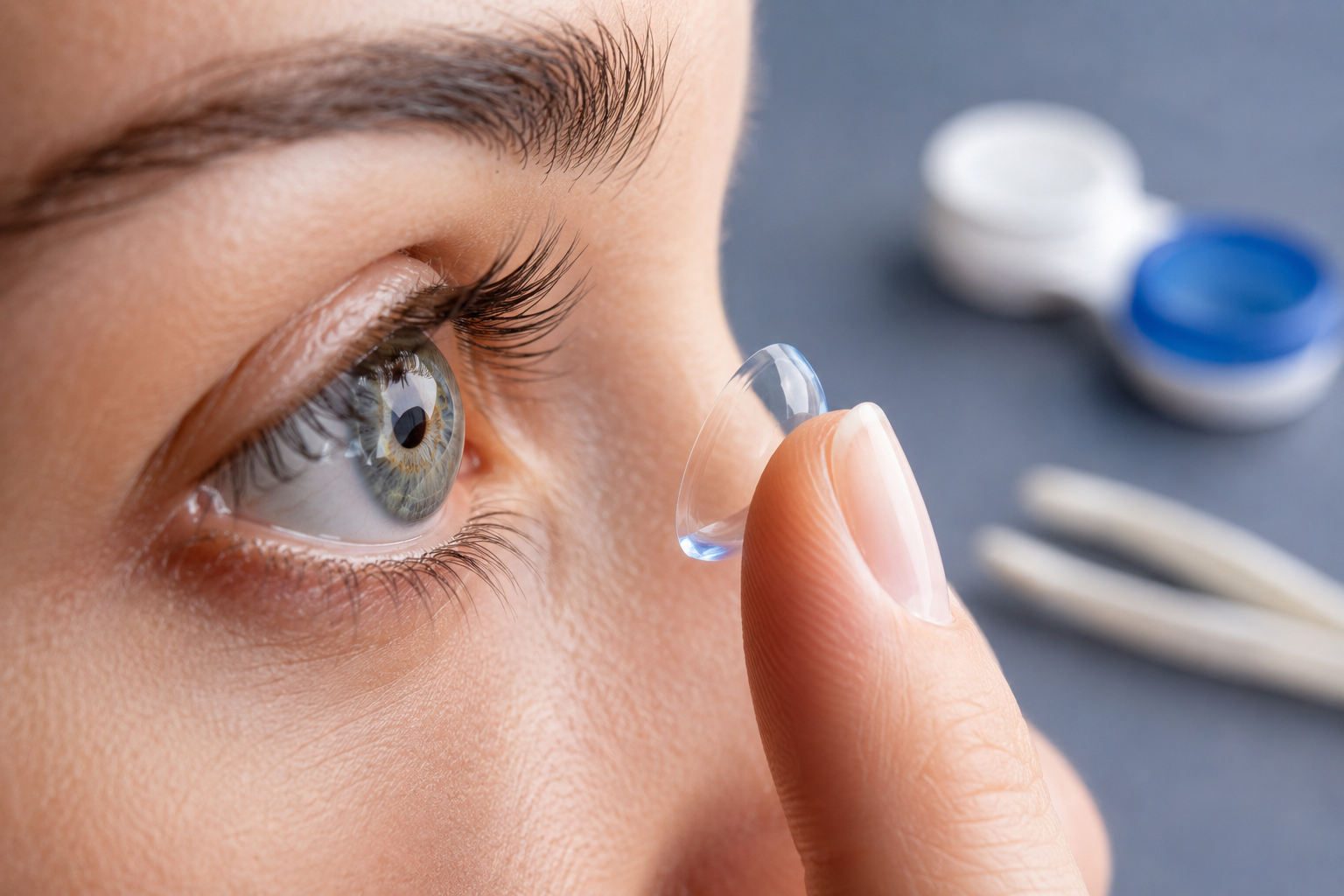
Contact lenses offer clear vision and the freedom to go about your day without relying on glasses. They are safe for most people, but like any medical device, they need to be used correctly. One of the most common questions ophthalmologists hear is whether contact lenses can damage the cornea.
The answer is yes, they can affect corneal health, but the risk is usually linked to how the lenses are worn and cared for rather than the lenses themselves. Good hygiene, the right lens fit, and regular eye examinations can help you wear contact lenses comfortably while keeping your eyes healthy.
The cornea is the clear front surface of your eye that helps focus light, allowing you to see clearly. It also acts as a protective barrier against dust, germs, and other foreign particles.
Unlike most tissues in the body, the cornea receives oxygen directly from the air through your tear film. Since contact lenses sit directly on this delicate surface, they can affect how much oxygen reaches the eye. That’s why choosing the right lenses and following proper lens care is so important for maintaining healthy vision.
Most people wear contact lenses without any problems. However, certain habits can increase the risk of irritation or more serious eye conditions.
Reduced Oxygen to the Cornea
Wearing contact lenses for longer than advised, especially older lens materials or sleeping in lenses, can reduce the amount of oxygen reaching the cornea. Over time, this may lead to temporary swelling, blurred vision, discomfort, and make the eye more vulnerable to other problems.
Corneal Infections
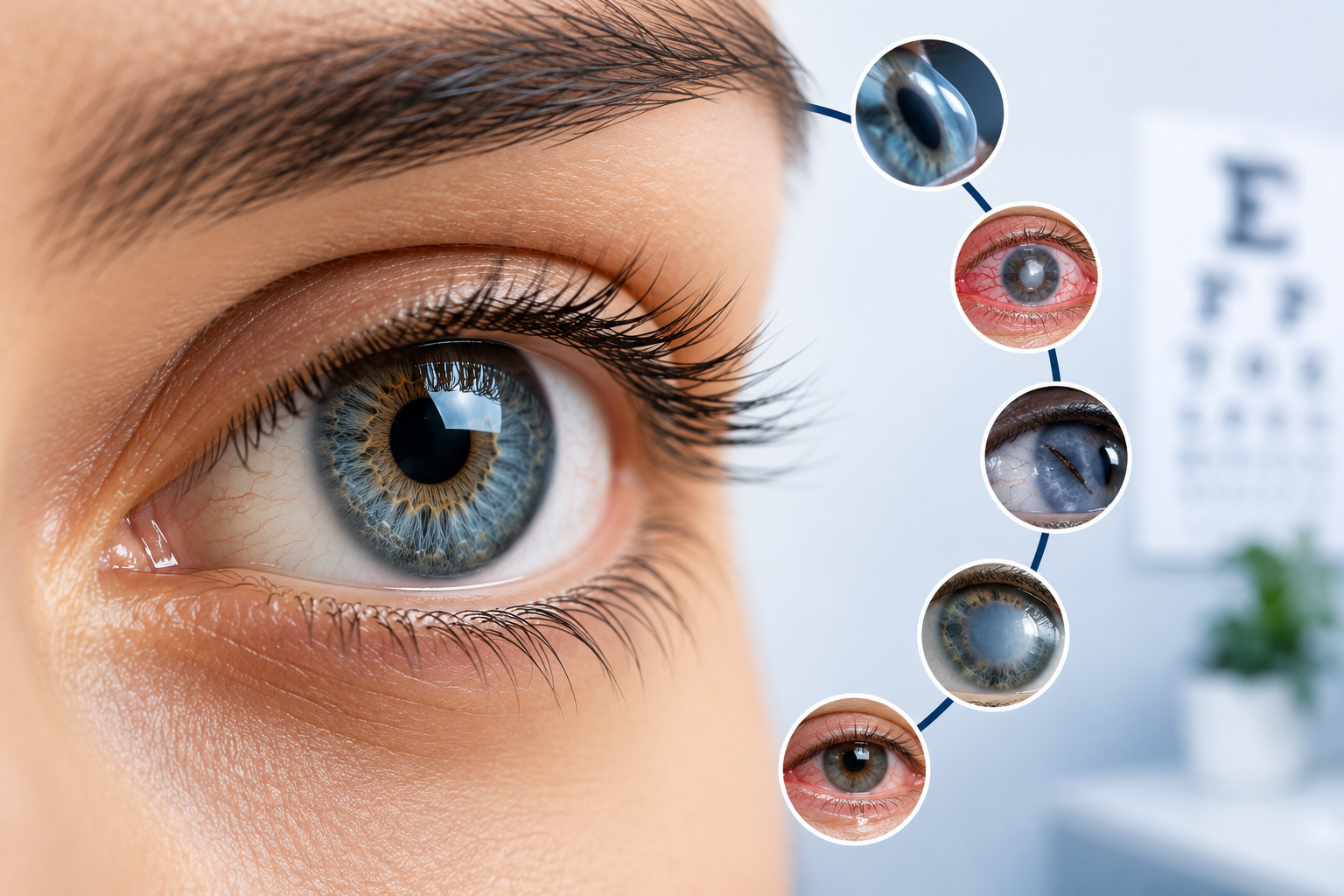
One of the most serious concerns is a corneal infection, medically known as microbial keratitis. Although uncommon, it can develop if lenses are not cleaned properly or are worn longer than recommended.
The risk is higher if you:
Early diagnosis and treatment are important because some infections can affect vision if left untreated.
Corneal Scratches
A damaged or torn contact lens, improper lens removal, or wearing lenses in dry eyes can scratch the surface of the cornea. This may cause pain, watering, redness, and sensitivity to light.
Dry Eyes and Discomfort
Some contact lens wearers experience dryness, particularly after long hours of screen time or in air-conditioned environments. Dry eyes can make lenses feel uncomfortable and may cause fluctuating vision or irritation.
Growth of Blood Vessels on the Cornea
If the cornea does not receive enough oxygen over a long period, tiny blood vessels may begin growing into the normally clear cornea. This condition is uncommon but may affect vision if it progresses.
Your chances of developing contact lens-related eye problems may be higher if you:
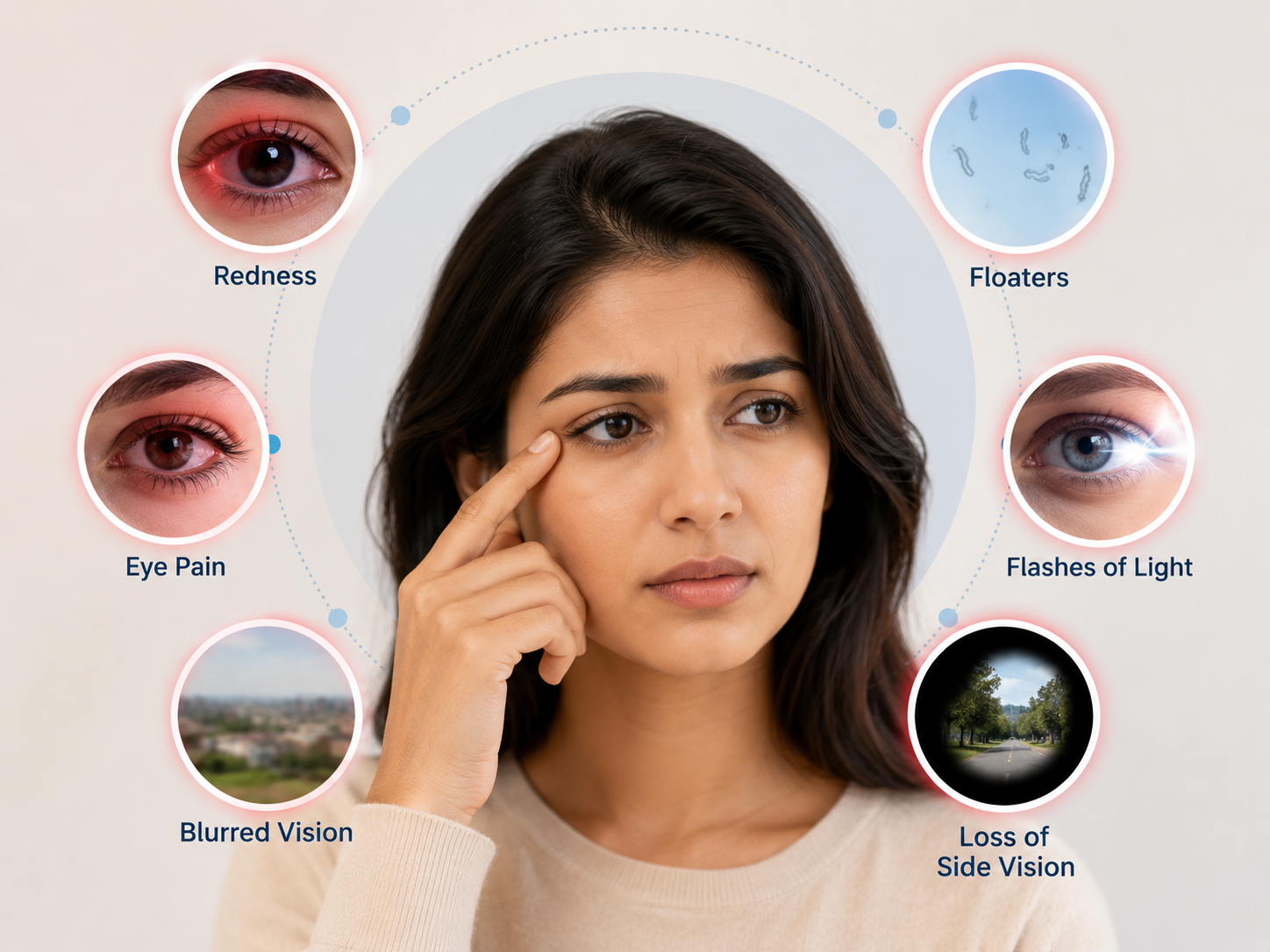
If you wear contact lenses and notice any of the following symptoms, remove your lenses immediately and avoid wearing them again until your eyes have been examined:
Getting your eyes checked early can often prevent a minor problem from becoming a more serious one.
The good news is that most contact lens-related problems can be avoided with a few simple habits.
In many cases, yes.
Mild dryness, early oxygen-related changes, and small scratches often heal well once contact lens use is paused and the appropriate treatment is started.
However, untreated infections or long-term oxygen deprivation can sometimes lead to permanent damage. That’s why it is always better to have persistent eye symptoms assessed as early as possible.
Permanent damage is uncommon when contact lenses are worn correctly. Most serious problems are linked to poor hygiene, sleeping in lenses, wearing them beyond the recommended schedule, or delaying treatment for an eye infection.
Yes. Daily contact lens wear is considered safe for most people when lenses are worn for the recommended duration, cleaned properly, replaced on time, and removed before sleeping.
For many people, yes. Silicone hydrogel lenses allow significantly more oxygen to reach the cornea than traditional hydrogel lenses, making them a preferred option for long hours of lens wear. Your ophthalmologist can advise whether they are the right choice for your eyes.
Remove your contact lenses straight away and avoid wearing them again until your eyes have been examined. If the redness, pain, blurred vision, or light sensitivity continues, arrange an eye examination as soon as possible.
You should see an ophthalmologist if you experience ongoing redness, eye pain, blurred vision, light sensitivity, unusual discharge, or discomfort after wearing contact lenses. Even if you have no symptoms, an annual eye examination helps detect early corneal changes and ensures your contact lenses continue to fit safely.
Table of Contents
ToggleGet in touch with us today for expert eye care and personalized solutions. We’re here to help!
We’re here to provide reliable healthcare information and services. Let’s build a healthier future together.