 Gunjan Kumari
|
October 1, 2026
|
6 Min Read
World Sight Day is observed every year on the second Thursday of October to raise awareness about eye health, vision care, and the prevention of avoidable vision loss. This year World Sight Day falls on 8 October and continues its global message, #LoveYourEyes, encouraging people to prioritize their eye health and recognize the value of regular eye care.
The annual campaign serves as an important reminder that good vision should never be taken for granted. While changes in eyesight are often easy to notice, many eye conditions can develop gradually without obvious symptoms. Regular comprehensive eye examinations remain one of the most effective ways to monitor eye health, identify potential concerns early, and help protect vision throughout life.
A common misconception is that eye examinations are only necessary when vision becomes blurry or when glasses need to be updated.
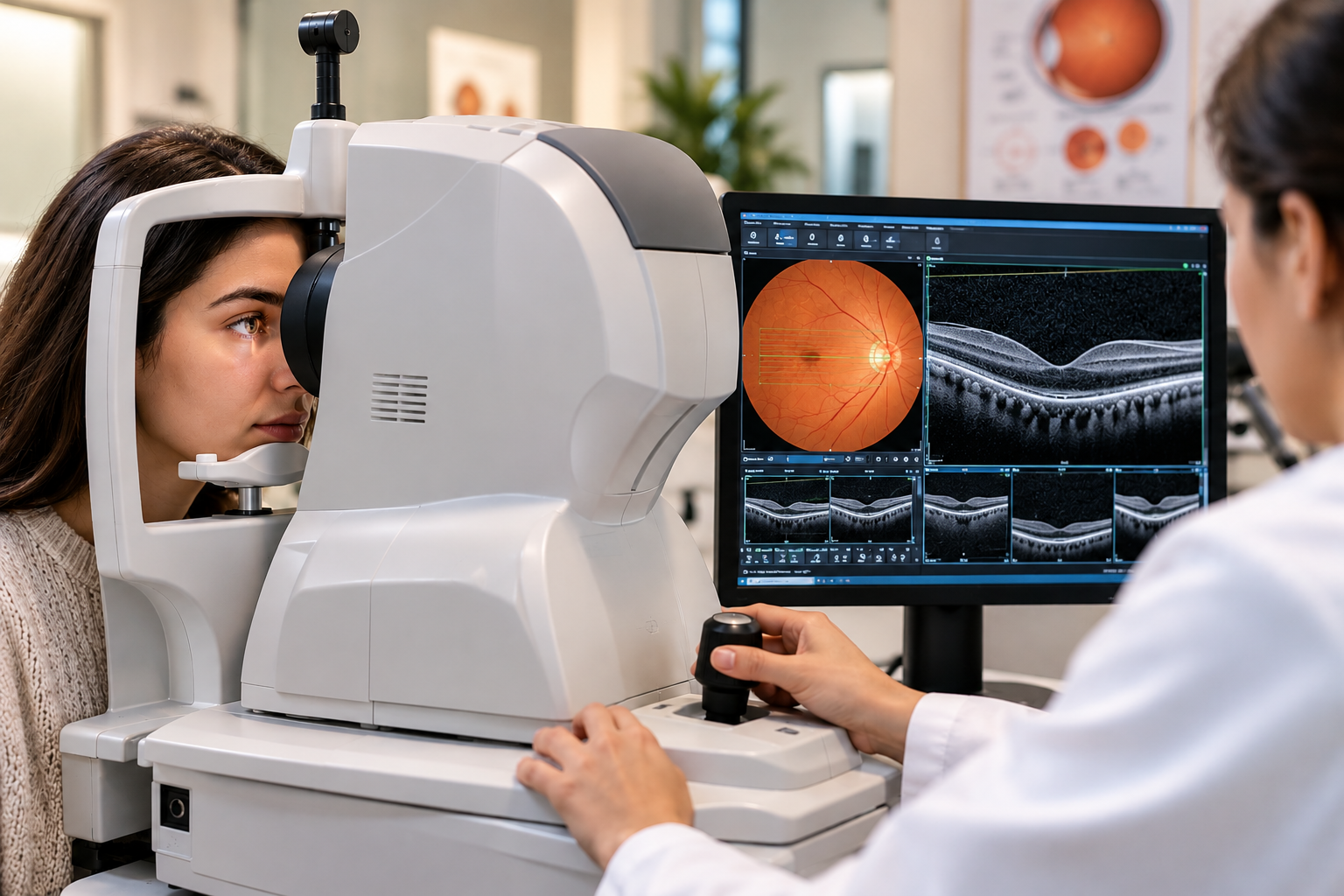
In reality, a comprehensive eye examination provides valuable information about the overall health of the eyes. During an examination, an ophthalmologist evaluates visual function, examines different structures within the eye, and looks for early signs of conditions that may not yet be affecting sight.
Regular eye examinations can also help monitor changes in vision, assess the impact of certain medical conditions on eye health, and provide an opportunity to address concerns before they become more serious.
Children and Teenagers
A healthy vision supports learning, reading, sports, and overall development. Because children may not always recognize or communicate vision problems, regular eye examinations play an important role in monitoring visual development and identifying concerns that could affect everyday activities or academic performance.
Working-Age Adults
Modern lifestyles place significant demands on vision. Long hours of screen use, driving, reading, and workplace tasks all rely on healthy eyesight. Routine eye examinations help monitor vision changes and support long-term eye health during some of the most visually demanding years of life.
Older Adults
The likelihood of developing certain eye conditions increases with age. Regular eye examinations have become increasingly important for monitoring age-related changes, maintaining visual independence, and supporting quality of life.
Several common eye conditions can develop quietly and may not cause noticeable symptoms during their early stages.
These include:
Because these conditions may progress gradually, people are often unaware of changes occurring within their eyes. Regular eye examinations help identify potential concerns at an earlier stage and allow for timely management when necessary.
Protecting vision involves more than responding to symptoms. Preventive eye care focuses on maintaining healthy eyes and reducing the risk of future problems.
Simple habits that support long-term eye health include:
These small but consistent steps can contribute significantly to preserving vision over time.
The message behind World Sight Day 2026 is simple: Love Your Eyes.
Looking after your vision is not something that should begin only when symptoms appear. Regular eye examinations provide an opportunity to understand your eye health, detect potential concerns early, and take proactive steps to protect your sight.
Whether you are scheduling an eye examination for a child, maintaining your own eye health, or supporting an older family member, routine eye care remains one of the most important investments you can make in your long-term wellbeing.
World Sight Day is a global awareness initiative focused on eye health and vision care. It encourages people to prioritize regular eye examinations, early detection, and preventive eye care to help reduce avoidable vision loss.
Yes. Several eye conditions can develop without noticeable symptoms in their early stages. Regular eye examinations can help identify potential concerns before they begin affecting vision.
A comprehensive eye examination assesses more than visual clarity. It may include vision testing, evaluation of eye movements, eye pressure assessment, and examination of the internal and external structures of the eye to assess overall eye health.
The recommended frequency depends on age, eye health, medical history, and individual risk factors. People with diabetes, a family history of eye disease, glaucoma risk factors, or existing eye conditions may require more frequent examinations.
You should schedule an eye examination if you experience blurred vision, eye strain, persistent headaches, flashes of light, new floaters, excessive tearing, eye pain, redness, or any sudden change in vision. Routine eye examinations are also recommended even when no symptoms are present, as they play an important role in maintaining long-term eye health and detecting potential concerns early.
Table of Contents
ToggleGet in touch with us today for expert eye care and personalized solutions. We’re here to help!
We’re here to provide reliable healthcare information and services. Let’s build a healthier future together.