 Gunjan Kumari
|
August 27, 2026
|
5 Min Read
Gunjan Kumari
|
August 27, 2026
|
5 Min Read
Your vision supports nearly every aspect of daily life, from reading and working to driving, travelling, and spending quality time with family and friends. Clear, comfortable vision often becomes something we take for granted until changes begin to affect everyday activities.
Several eye conditions can develop gradually and may not cause noticeable symptoms during their early stages. Regular eye checkups help identify these changes early, allowing timely treatment and helping protect long-term vision and overall eye health.
An eye examination does much more than determine whether you need glasses or an updated prescription.
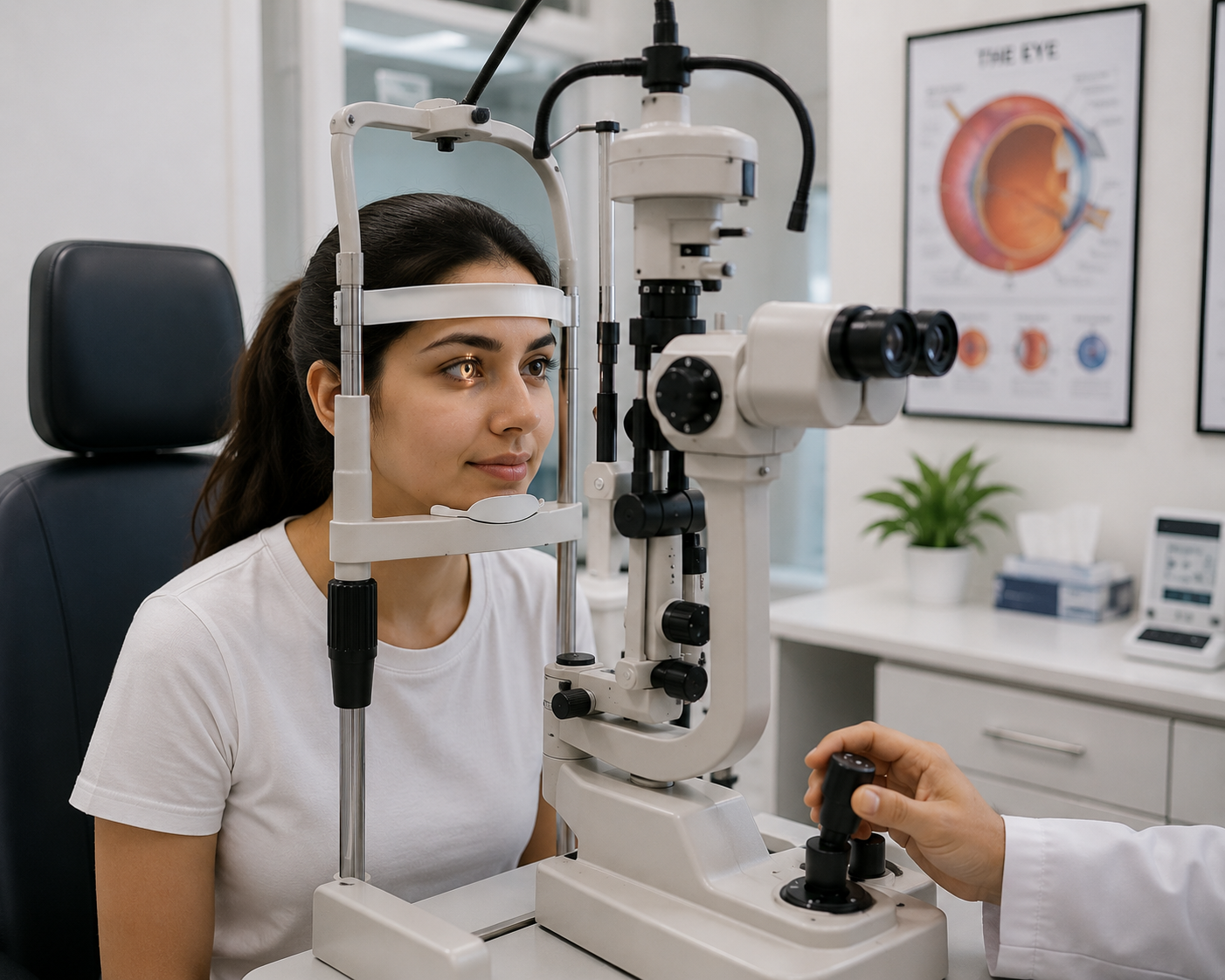
A comprehensive eye checkup allows your ophthalmologist to assess the overall health of your eyes, including the cornea, lens, retina, optic nerve, and other important structures. These evaluations can help detect early signs of eye disease before they begin affecting your vision.
Regular checkups also provide an opportunity to monitor changes over time and address concerns related to eye comfort, screen use, contact lenses, or family history of eye conditions.
Several eye diseases can develop quietly before symptoms become obvious. Detecting these conditions early often improves treatment outcomes and helps preserve vision.
Glaucoma
Glaucoma damages the optic nerve and can lead to permanent vision loss if left untreated. Vision may remain normal during the early stages, making routine eye examinations especially important for early detection.
Cataracts
Cataracts occur when the eye’s natural lens becomes cloudy. Early cataracts may not significantly affect daily activities, but regular examinations can help monitor progression and determine when treatment may be needed.
Diabetic Eye Disease
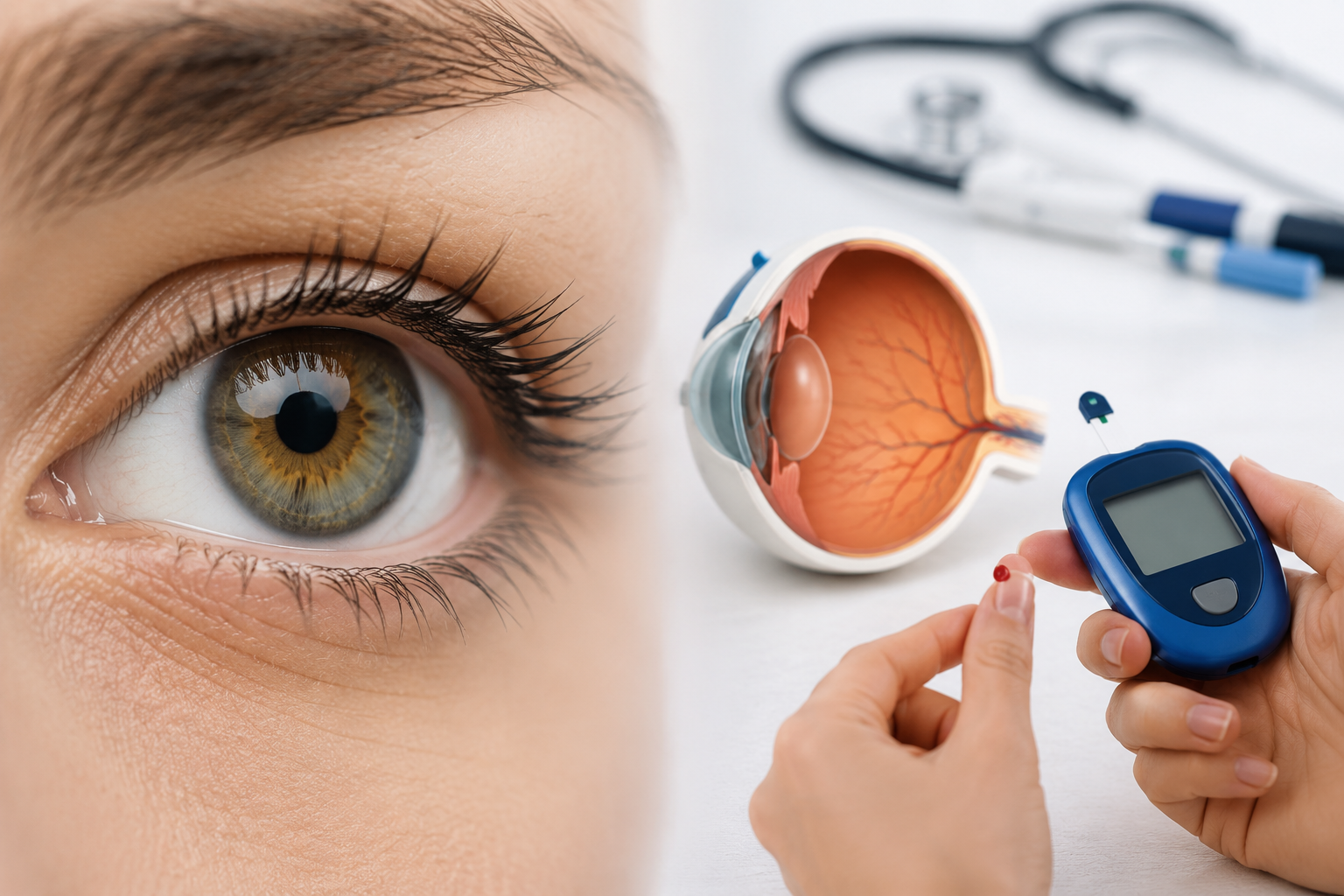
Diabetes can affect the blood vessels within the retina, sometimes before noticeable vision changes occur. Regular eye examinations play a key role in identifying these changes early.
Age-Related Macular Degeneration
This condition affects central vision and can make activities such as reading and recognising faces more difficult. Early detection allows for closer monitoring and timely management.
Retinal Conditions
The retina is responsible for capturing visual information and sending it to the brain. Routine eye examinations can identify retinal changes that may require observation or treatment before serious complications develop.
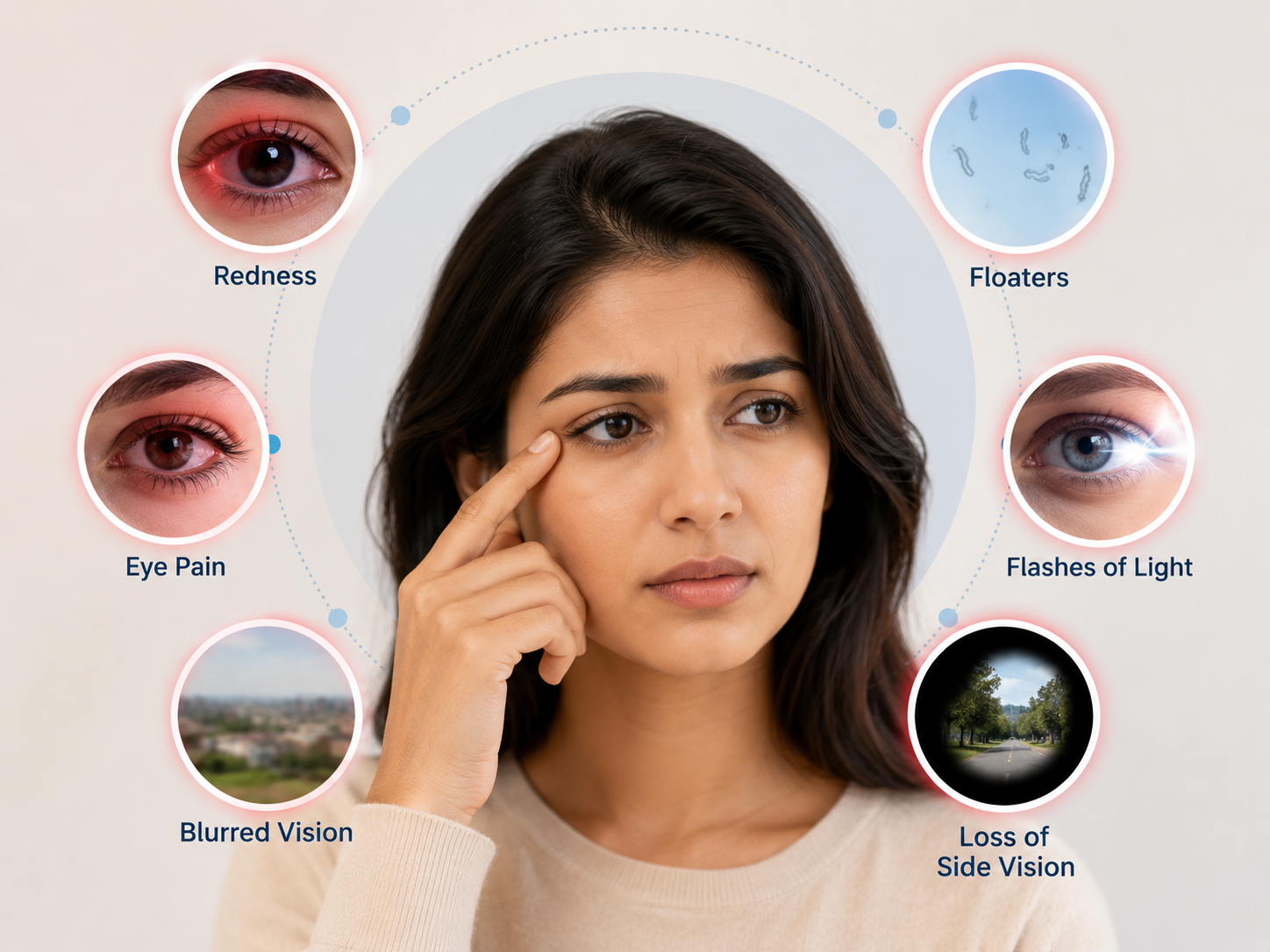
Digital screens have become part of everyday life for work, communication, education, and entertainment. Extended screen use can place additional demands on the eyes and contribute to symptoms such as:
These symptoms are often manageable, but they should not be ignored. An eye examination can help identify underlying vision issues and provide practical recommendations to improve visual comfort during screen use.
Protecting vision is often easier than restoring it. Several eye conditions can progress without obvious warning signs, which is why routine examinations remain an essential part of preventive eye care.
Early diagnosis allows treatment to begin at the most appropriate stage and may help prevent unnecessary vision loss. Regular monitoring also creates a record of your eye health, making it easier to identify changes and respond quickly when needed.
Taking a proactive approach to eye care can help maintain healthy vision and support long-term eye health at every stage of life.
Yes. Several eye conditions can develop before noticeable vision changes occur. Regular eye examinations help detect problems early, even when your eyesight appears normal.
Yes. Comprehensive eye examinations can identify early signs of glaucoma, diabetic eye disease, retinal conditions, and other eye disorders before symptoms become noticeable.
A comprehensive eye examination may include vision testing, evaluation of eye pressure, retinal assessment, optic nerve examination, and other tests that help assess overall eye health.
Extended screen use can contribute to eye strain, dry eyes, headaches, and temporary blurred vision. An eye examination can help determine whether additional factors are affecting your visual comfort.
The recommended frequency of eye examinations varies by age, eye health, and individual risk factors. Generally, children and adults with healthy eyes should have their eyes examined every year. More frequent examinations may be needed for individuals with diabetes, a family history of eye disease, glaucoma risk factors, existing eye conditions, or changes in vision. Your ophthalmologist can recommend the most appropriate schedule based on your individual needs.
Table of Contents
ToggleGet in touch with us today for expert eye care and personalized solutions. We’re here to help!
We’re here to provide reliable healthcare information and services. Let’s build a healthier future together.