 Gunjan Kumari
|
October 29, 2026
|
6 Min Read
Turning 40 can bring noticeable changes in your eyesight, from difficulty reading small prints to increased glare while driving at night. Vision changes after 40 are often related to natural ageing, but some may indicate an underlying eye condition. Recognizing these seven changes can help you understand when you may need vision correction, an eye examination, or further medical assessment to protect your long-term eye health.
As you get older, certain changes in your eyesight may become more noticeable. From difficulty reading small prints to increased glare while driving, these symptoms can affect your daily routine. Here are 7 vision changes after 40 you should recognize, their possible causes, and when to seek professional eye care.
Struggling to read your phone, books or restaurant menus is one of the most common vision changes after 40. This may be caused by presbyopia, an age-related condition that makes it harder to focus on nearby objects.
You may find yourself holding reading material farther away or needing brighter lighting. Reading glasses, prescription glasses, or other suitable vision correction options can help.
Blurry vision after 40 may result from presbyopia, changes in your glasses prescription or other eye conditions. You might notice difficulty focusing on text, screens, or objects at different distances.
Persistent or fluctuating blurred vision should not automatically be attributed to ageing. Diabetes and other health conditions can also affect eyesight, so an eye examination can help identify the cause.
Dry eyes after 40 may cause burning, redness, watering, a gritty sensation or temporarily blurred vision. Age-related changes, certain medications, prolonged screen use, and air-conditioned environments can contribute to symptoms.
To help relieve discomfort, take regular screen breaks, blink fully, and avoid direct airflow towards your eyes. Artificial tears may also help when appropriate. Persistent irritation should be assessed by an eye care professional.
Night vision problems can make driving after dark more challenging. You may experience glare from headlights, difficulty seeing in dim lighting or slower adjustment when moving between bright and dark environments.
Refractive errors and cataracts are possible causes. If these changes affect your daily activities or driving safety, arrange an eye examination rather than assuming they are a normal part of ageing.
Bright sunlight, indoor lighting, or oncoming headlights may become increasingly uncomfortable. Light sensitivity can occur with several eye conditions, including cataracts, but it may also indicate inflammation or another problem.
Sunglasses offering 100% UVA and UVB protection can help protect your eyes outdoors. Sudden or significant light sensitivity, especially with eye pain, redness or blurred vision, needs prompt medical assessment.
Colours may appear faded, or straight lines may look distorted or wavy. These symptoms can be associated with cataracts or age-related macular degeneration (AMD), which affects central vision.
AMD may make reading, recognize faces and see fine details more difficult. New distortion or sudden changes in central vision should be assessed promptly.
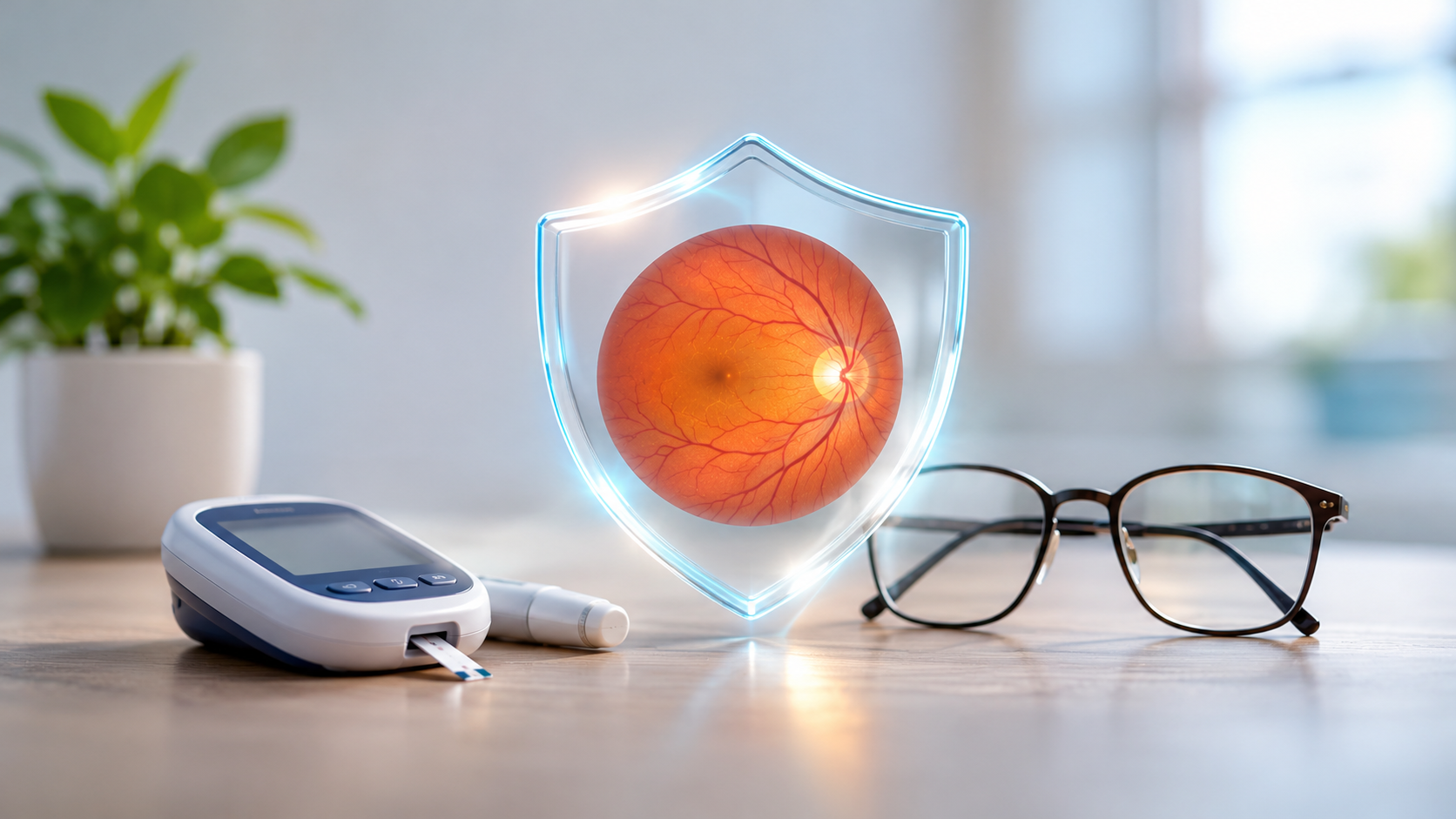
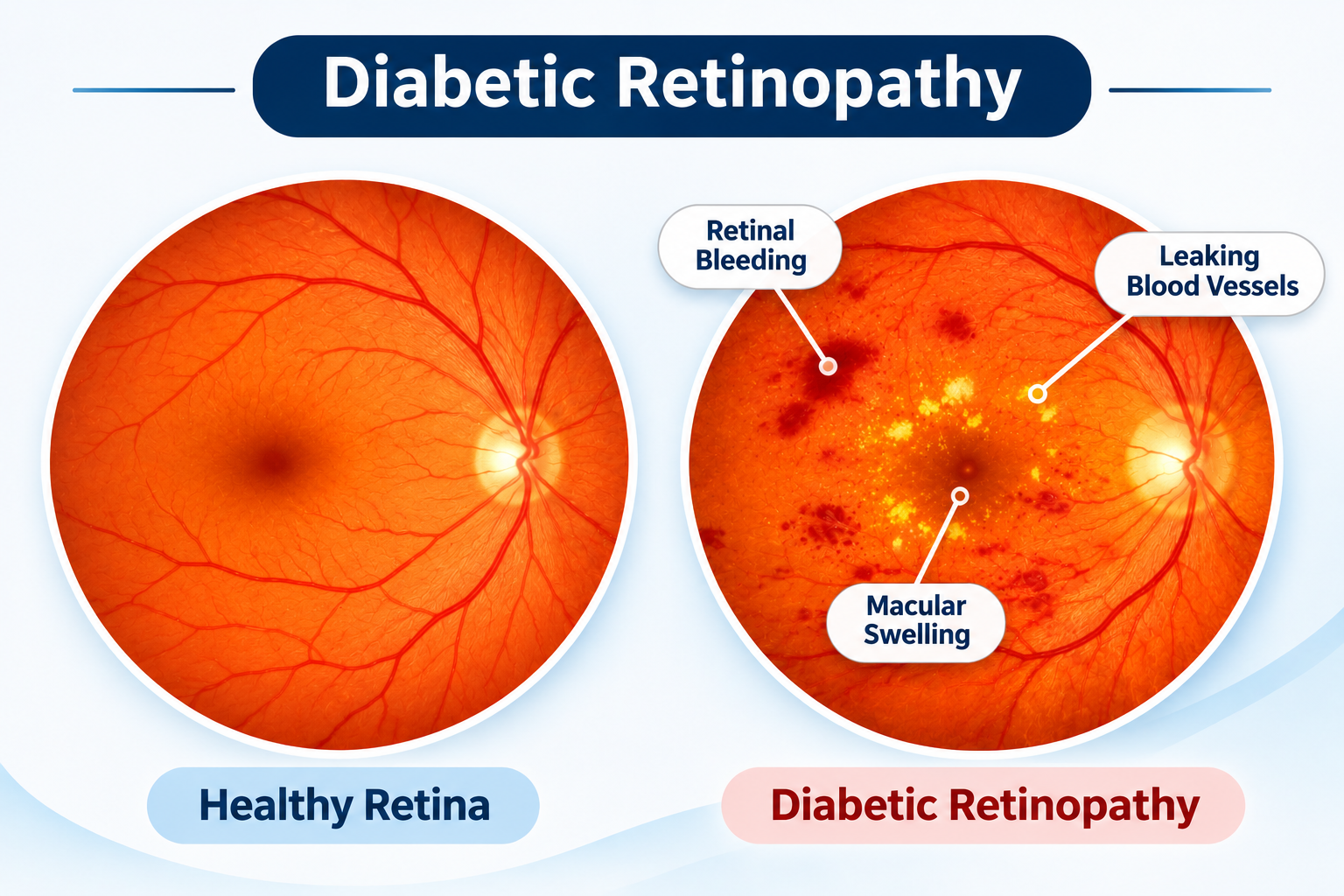
Some eye diseases develop without noticeable early warning signs. Glaucoma can damage the optic nerve before a person notice changes in vision. Diabetic retinopathy can also affect the retina before obvious symptoms develop.
Regular comprehensive eye examinations are important, particularly if you have diabetes, high blood pressure, or a family history of eye disease. Early detection can help your eye specialist recommend appropriate monitoring and treatment.
Although not every age-related vision change can be prevented, healthy habits can support your eye health:
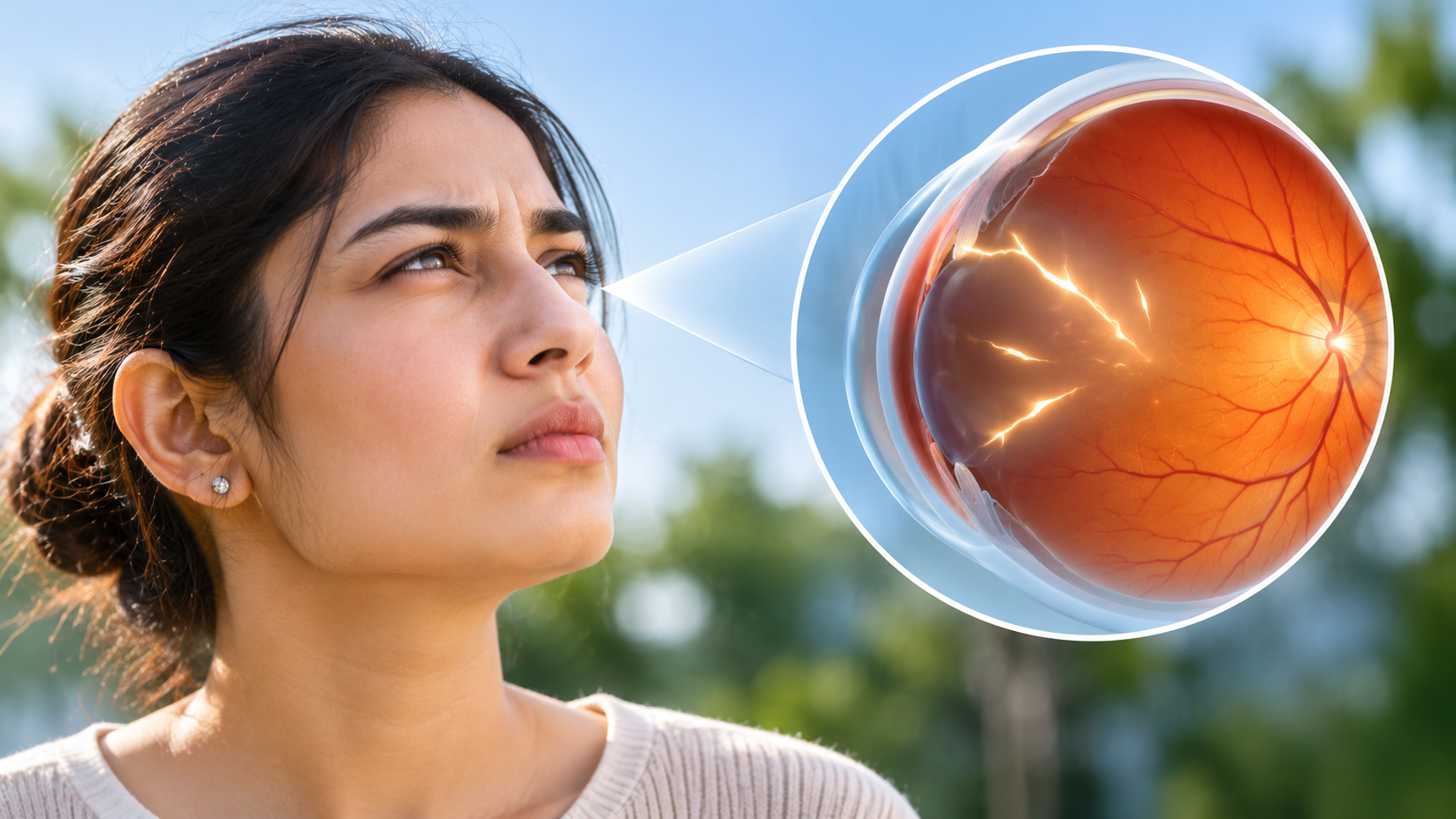
Seek urgent medical attention for sudden vision loss, a sudden increase in floaters, flashes of light, a curtain-like shadow across your vision, or severe eye pain.
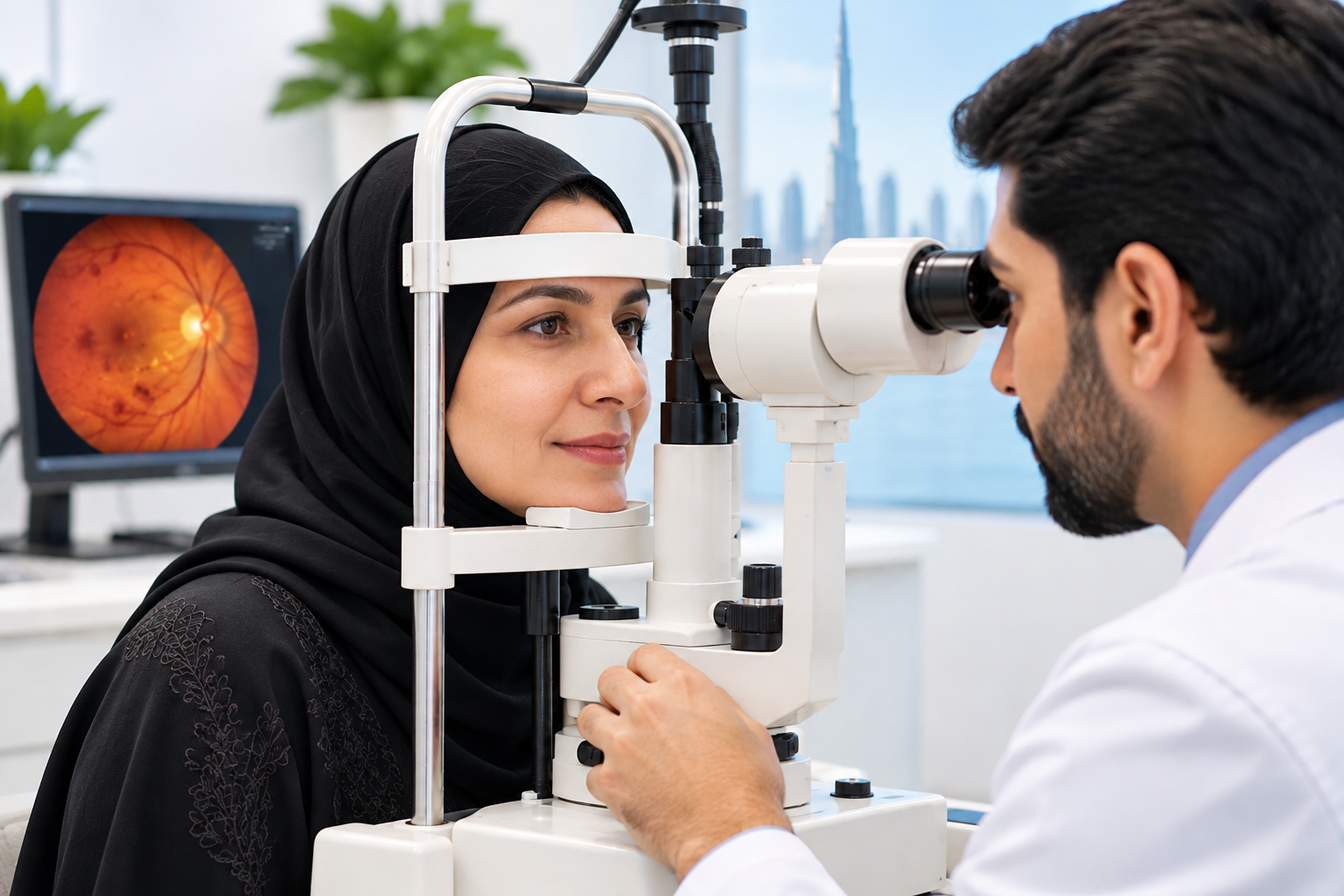
Changes in eyesight after 40 deserve attention, even when they seem minor. At Aloka Eye Clinic and Day Surgery Center, an eye examination can help assess your vision and identify potential concerns.
Book an eye examination at Aloka Eye Clinic if you have noticed changes in your eyesight or want guidance on maintaining healthy vision.
Common changes include difficulty reading small prints, blurry near vision, dry eyes, increased glare, and difficulty seeing at night. Persistent or sudden symptoms should be assessed by an eye care professional.
Blurry near vision may result from presbyopia, a common age-related condition. However, persistent, fluctuating or sudden blurry vision can have other causes and should not be ignored.
Not all age-related changes can be prevented. Regular eye examinations, UV protection, healthy habits, and proper management of conditions such as diabetes can help protect long-term eye health.
Not all age-related changes can be prevented. Regular eye examinations, UV protection, healthy habits, and proper management of conditions such as diabetes can help protect long-term eye health.
The recommended frequency depends on your eye health, medical history, and risk factors. Your ophthalmologist can advise how often you need a comprehensive examination.
Table of Contents
ToggleGet in touch with us today for expert eye care and personalized solutions. We’re here to help!
We’re here to provide reliable healthcare information and services. Let’s build a healthier future together.