 Gunjan Kumari
|
September 10, 2026
|
6 Min Read
Thyroid disorders can affect more than just metabolism and hormone levels. In some individuals, thyroid-related immune system changes can also affect the eyes, leading to a condition known as Thyroid Eye Disease (TED).
Thyroid Eye Disease can cause changes in eye appearance, comfort, and vision. Symptoms may develop gradually and vary from mild irritation to more significant eye problems. Recognizing the early signs and seeking timely medical care can help protect eye health and improve quality of life.
Thyroid Eye Disease is an autoimmune condition that affects the tissues, muscles, and fat surrounding the eyes.
The condition is most commonly associated with Graves’ disease, a form of hyperthyroidism, although it can also occur in individuals with normal thyroid function or other thyroid disorders.
Inflammation within the eye socket can cause swelling, changes in eye position, and discomfort. The severity of symptoms varies from person to person.
Thyroid Eye Disease occurs when the immune system mistakenly attacks tissues around the eyes.
This immune response can lead to inflammation and swelling of the eye muscles and surrounding tissues. As swelling increases, the eyes may appear more prominent or bulging, and normal eye movement can become affected.
Smoking is recognized as a significant risk factor and may increase both the likelihood and severity of Thyroid Eye Disease.
Symptoms often develop gradually and may affect one or both eyes.
Eye Redness and Irritation
Inflammation can cause persistent redness, irritation, and a gritty sensation, making the eyes feel uncomfortable throughout the day.
Dry Eyes and Excessive Tearing
The eyes may become dry because the eyelids do not close completely. At the same time, irritation can trigger excessive tearing.
Swelling Around the Eyes
Puffiness or swelling of the eyelids is a common early sign of Thyroid Eye Disease.
Bulging Eyes (Proptosis)
Inflammation behind the eyes can push them forward, creating a more prominent or bulging appearance.
Double Vision
Swollen eye muscles may affect eye movement and alignment, causing double vision when looking in certain directions.
Sensitivity to Light
Increased light sensitivity may occur as inflammation affects the eye surface and surrounding tissues.
Changes in Vision
In more advanced cases, blurred vision, reduced colour vision, or vision loss may occur if the optic nerve becomes compressed.
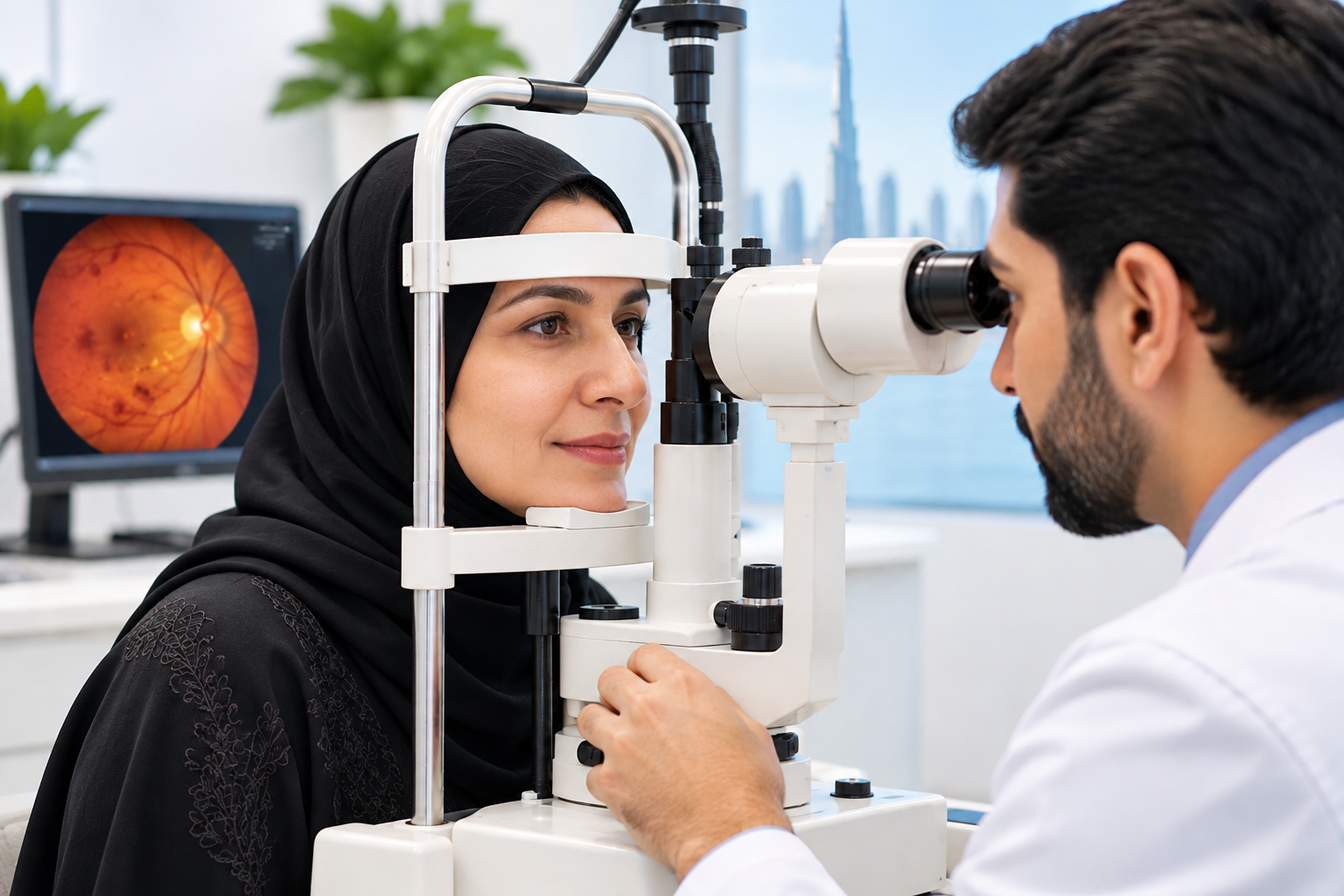
A comprehensive eye examination is important for diagnosing Thyroid Eye Disease and determining its severity.
Your ophthalmologist may evaluate:
Additional investigations, including blood tests and imaging studies such as CT or MRI scans, may be recommended when necessary.
Treatment depends on the severity of symptoms and whether the disease is in an active inflammatory phase.
Managing Dryness and Irritation
Lubricating eye drops and ointments may help relieve dryness, irritation, and discomfort.
Controlling Thyroid Function
Working closely with an endocrinologist to manage thyroid hormone levels is an important part of overall care.
Medications
In moderate to severe cases, medications may be used to reduce inflammation and control immune system activity.
Prism Glasses for Double Vision
Specialised prism lenses may help improve visual comfort for patients experiencing double vision.
Surgical Treatment
Surgery may be considered when Thyroid Eye Disease causes significant eye protrusion, eyelid abnormalities, or persistent double vision after the active phase has stabilised.
Procedures may include:
The most appropriate treatment plan depends on each individual’s symptoms and eye health.
Early diagnosis allows Thyroid Eye Disease to be monitored and treated before complications develop.
Prompt assessment is particularly important if symptoms worsen rapidly or if vision becomes affected. Identifying the condition early can help improve comfort, preserve vision, and support better long-term outcomes.
No. Graves’ disease is a thyroid condition, while Thyroid Eye Disease affects the tissues around the eyes. Although they are closely linked, not everyone with Graves’ disease develops eye involvement.
Yes. Mild cases may cause irritation and dryness, while more severe cases can lead to double vision, blurred vision, or vision loss if the optic nerve becomes affected.
No. Bulging eyes are a common symptom, but some individuals experience dryness, redness, swelling, or double vision without noticeable eye protrusion.
Yes. Treatment options may include lubricating eye drops, medications, prism glasses, and surgery, depending on the severity of the condition.
Schedule an eye examination if you experience persistent eye redness, swelling around the eyes, bulging eyes, double vision, excessive tearing, light sensitivity, or changes in vision. Early evaluation can help identify Thyroid Eye Disease and guide appropriate treatment.
Table of Contents
ToggleGet in touch with us today for expert eye care and personalized solutions. We’re here to help!
We’re here to provide reliable healthcare information and services. Let’s build a healthier future together.