 Gunjan Kumari
|
September 8, 2026
|
6 Min Read
Tears play an essential role in keeping the eyes healthy, comfortable, and protected. However, when excessive tearing becomes frequent or persistent, it can interfere with daily activities and may indicate an underlying eye condition.
Also known as watery eyes or epiphora, excessive tearing can occur when the eyes produce too many tears or when the normal tear drainage system does not function properly. Understanding the causes of excessive tearing and recognizing associated symptoms can help you seek timely treatment and protect your long-term eye health.
Excessive tearing can develop for several reasons. In some cases, the eyes produce more tears than necessary. In others, tears cannot drain properly, causing them to overflow onto the cheeks.
Dry Eye Syndrome
Although it may seem unusual, dry eyes are one of the most common causes of excessive tearing.
When the eye surface becomes dry or irritated, the eyes may respond by producing a sudden increase in tears. These reflex tears often do not provide lasting lubrication, which is why watering and discomfort can continue.
Eye Allergies
Allergies can cause itching, redness, irritation, and watery eyes. Environmental triggers such as dust, pollen, pet dander, or air pollution may contribute to allergy-related tearing.
Blocked Tear Ducts
Tears normally drain through small openings located near the inner corners of the eyelids. When this drainage system becomes narrowed or blocked, tears cannot drain properly and may overflow onto the face.
Eyelid Problems
The eyelids help distribute and drain tears across the eye surface. Conditions that affect eyelid position or function can interfere with normal tear drainage and contribute to persistent watery eyes.
Eye Infections and Inflammation
Conditions affecting the eye surface or eyelids may lead to redness, irritation, swelling, and increased tear production as part of the body’s natural protective response.
Eye Irritation or Foreign Bodies
Dust, smoke, chemicals, or even an eyelash rubbing against the eye can trigger excessive tearing as the eye attempts to remove the source of irritation.
Depending on the underlying cause, excessive tearing may occur alongside other symptoms, including:
These symptoms can provide important clues about the cause of the problem and should not be ignored if they persist.
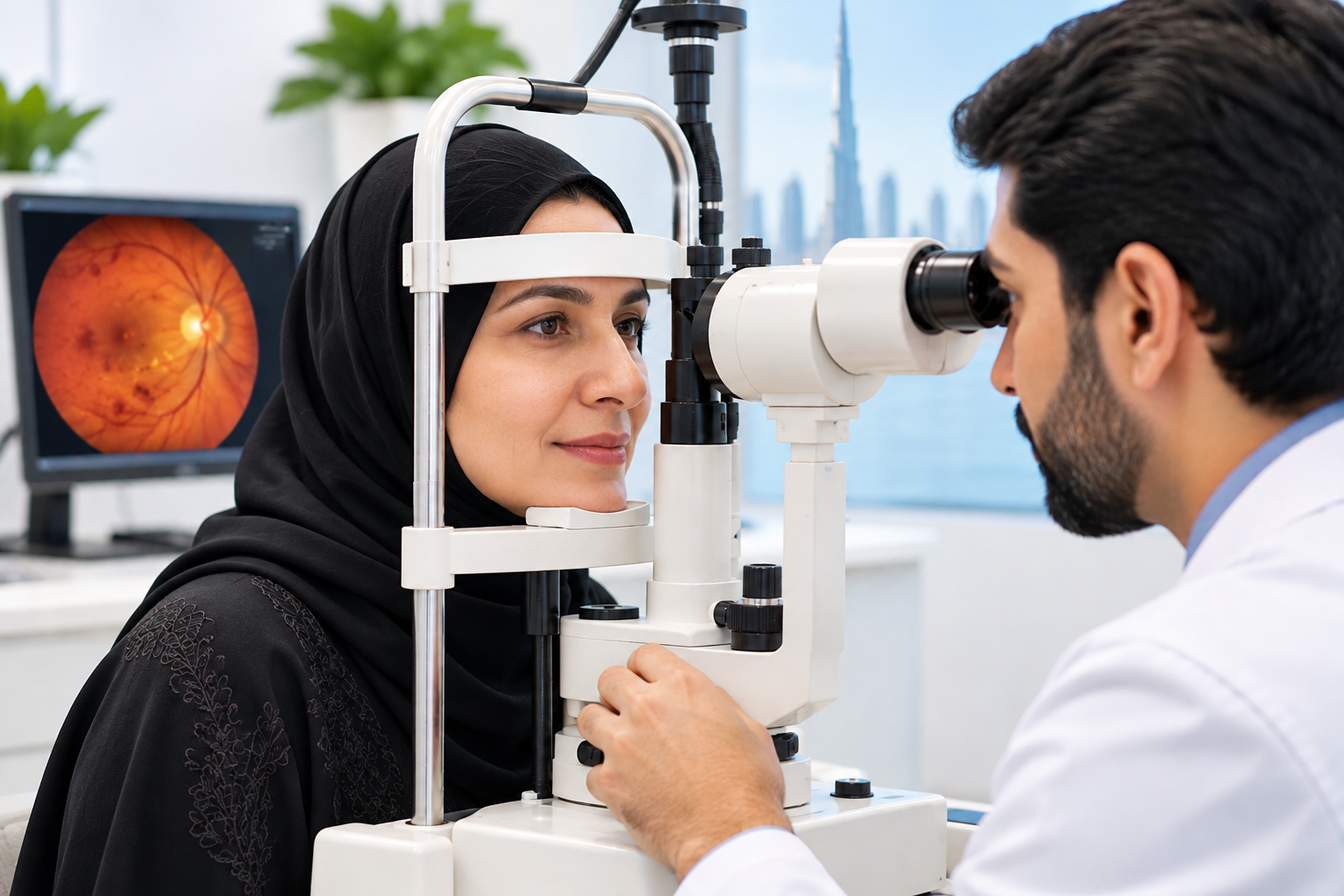
A comprehensive eye examination can help determine why your eyes are watering excessively.
Your ophthalmologist may assess:
An accurate diagnosis is important because treatment for excessive tearing depends on the underlying cause rather than the symptom itself.
Treatment varies depending on what is causing excessive tearing.
Dry Eye Management
Lubricating eye drops and other dry eye treatments may help improve the quality of the tear film and reduce reflex tearing.
Allergy Treatment
Managing allergies and reducing exposure to triggers can help improve symptoms and decrease watery eyes.
Treatment for Infection or Inflammation
Addressing the underlying condition can help restore normal eye comfort and reduce excessive tearing.
Tear Drainage Procedures
If a blocked tear duct or drainage problem is identified, specialised procedures may be recommended to improve tear drainage.
Eyelid Treatment
When eyelid position contributes to excessive tearing, treatment may focus on improving eyelid function and restoring normal tear flow.
Persistent watery eyes are often viewed as a minor inconvenience. However, excessive tearing can sometimes be a sign of an underlying problem involving the tear drainage system, eyelids, or eye surface.
Early assessment allows the cause to be identified and treated appropriately, helping improve comfort and reduce the risk of ongoing symptoms affecting daily life.
Yes. Dry eyes can trigger reflex tear production, causing the eyes to water excessively even though the eye surface remains dry.
No. Excessive tearing can result from dry eyes, allergies, infections, eyelid abnormalities, eye irritation, or problems with tear drainage.
Yes. Excess tears on the eye surface can sometimes cause temporary blurred vision. The impact depends on the underlying cause.
Yes. Treatment options for excessive tearing depend on the cause and may include lubricating eye drops, allergy management, treatment of infection, eyelid correction, or tear drainage procedures.
Schedule an eye examination if excessive tearing persists, affects daily activities, causes blurred vision, occurs with redness or discomfort, or is accompanied by swelling, discharge, or other changes in vision. Early evaluation can help identify the cause and guide appropriate treatment.
Table of Contents
ToggleLorem ipsum dolor sit amet, consectetur adipiscing elit. Ut elit tellus, luctus nec ullamcorper mattis, pulvinar dapibus leo.
Get in touch with us today for expert eye care and personalized solutions. We’re here to help!
We’re here to provide reliable healthcare information and services. Let’s build a healthier future together.