 Gunjan Kumari
|
November 12, 2026
|
6 Min Read
Diabetes can affect your eyesight over time by damaging the small blood vessels in the retina. Understanding how to prevent vision loss from diabetes is important for reducing the risk of serious eye complications. This blog explains how diabetes affects your vision and how blood sugar management, regular eye examinations, early detection and timely treatment can help protect your eyesight.
Diabetes can affect your eyes in different ways, particularly when blood sugar levels remain high over a long period.
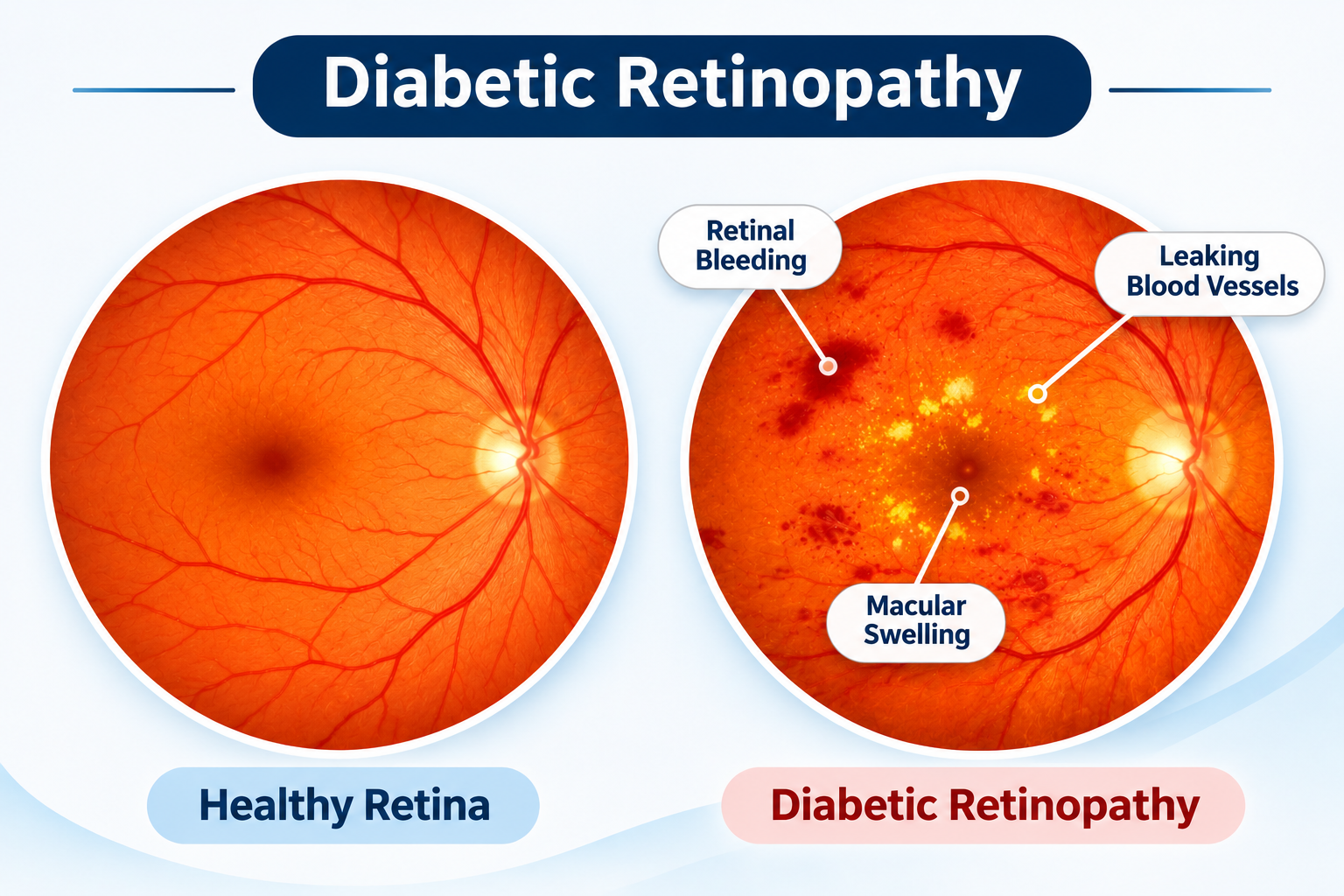
One of the main concerns is diabetic retinopathy, a condition in which high blood glucose damages the blood vessels in the retina. Diabetes can also increase the risk of cataracts and glaucoma.
These conditions may develop gradually, and early changes do not always cause noticeable symptoms. This is why people with diabetes should pay attention to their eye health even when their vision seems normal.
Although diabetes-related eye damage cannot always be prevented, certain steps can reduce the risk of complications and help protect your eyesight.
High blood sugar over time can damage the tiny blood vessels supplying the retina. Keeping glucose levels within the target range recommended by your diabetes specialist can help reduce the risk of diabetic retinopathy developing or progressing.
Follow your prescribed treatment plan and attend regular HbA1c tests to understand how well your blood sugar is being managed.
High blood pressure and abnormal cholesterol levels can increase the risk of blood vessel damage. When these conditions occur alongside diabetes, they can contribute to a higher risk of diabetes-related eye complications.
Check your blood pressure and cholesterol as advised by your doctor and follow the recommended treatment plan.
A person can have early retinal damage without experiencing blurred vision or other noticeable symptoms.
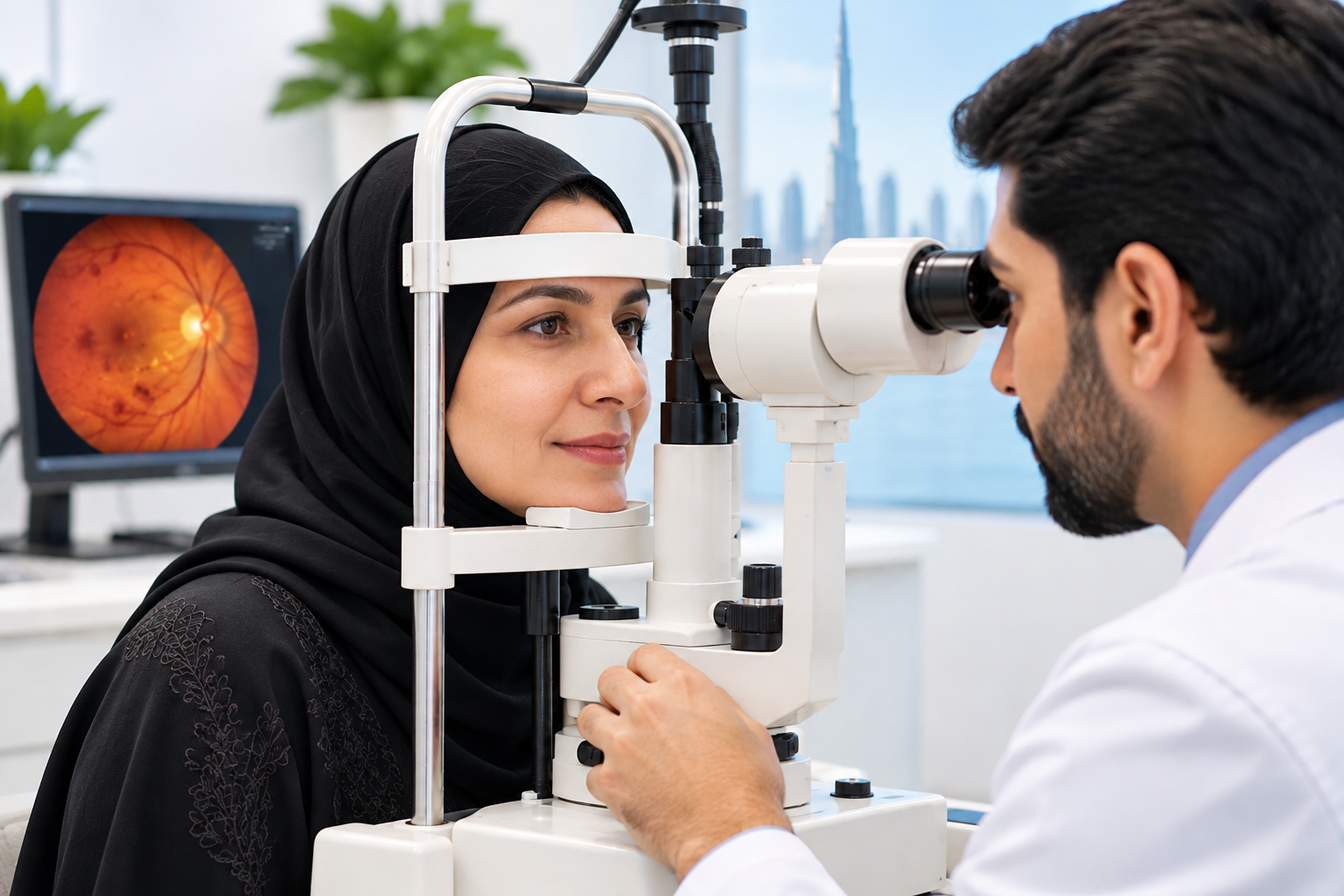
A comprehensive diabetic eye examination helps an ophthalmologist identify changes in the retina, monitor their progression, and recommend treatment when necessary.
Do not wait until your eyesight changes before arranging your next examination. Your screening schedule should be based on your diabetes history and previous retinal findings.
A balanced diet and regular physical activity can support blood sugar management and overall health.
Include vegetables, whole grains, fibre-rich foods, and balanced sources of protein in your meals. Activities such as walking, cycling, or swimming can also help improve blood glucose control.
Avoid smoking, as it can damage blood vessels and increase the risk of other health complications.
If an eye examination identifies retinal damage, following your ophthalmologist’s advice is important.
Depending on the condition, treatment may include monitoring, anti-VEGF injections, laser treatment or surgery. Early treatment can help reduce the risk of further damage and serious vision loss.
This depends on the cause and extent of the damage.
Some people may experience improved vision after treatment, particularly when blurred vision is related to swelling in the macula. However, advanced retinal damage, scarring or damage to the optic nerve may cause permanent vision loss.
Treatment cannot always restore vision that has already been lost. This is why diabetic retinopathy prevention through regular examinations and early management is so important.
Yes. Diabetic eye disease can develop without noticeable symptoms in its early stages. Retinal damage may already be present even when you can see clearly. Regular retinal examinations help detect these changes before they cause significant vision problems.
It depends on the cause of your vision changes. Blurred vision caused by temporary changes in the eye lens may improve as blood sugar levels stabilize. However, existing retinal damage may need separate treatment and does not necessarily reverse with better glucose control alone.
Yes. Diabetes-related eye conditions can affect both eyes, although the severity may be different in each eye. One eye may have more retinal damage or noticeable vision changes than the other. Both eyes should be checked during a comprehensive eye examination.
Yes. Good blood sugar control reduces the risk of diabetic retinopathy, but it does not eliminate it completely. The duration of diabetes, blood pressure, and other health factors can also influence your risk. Regular eye examinations are important even when your diabetes is well managed.
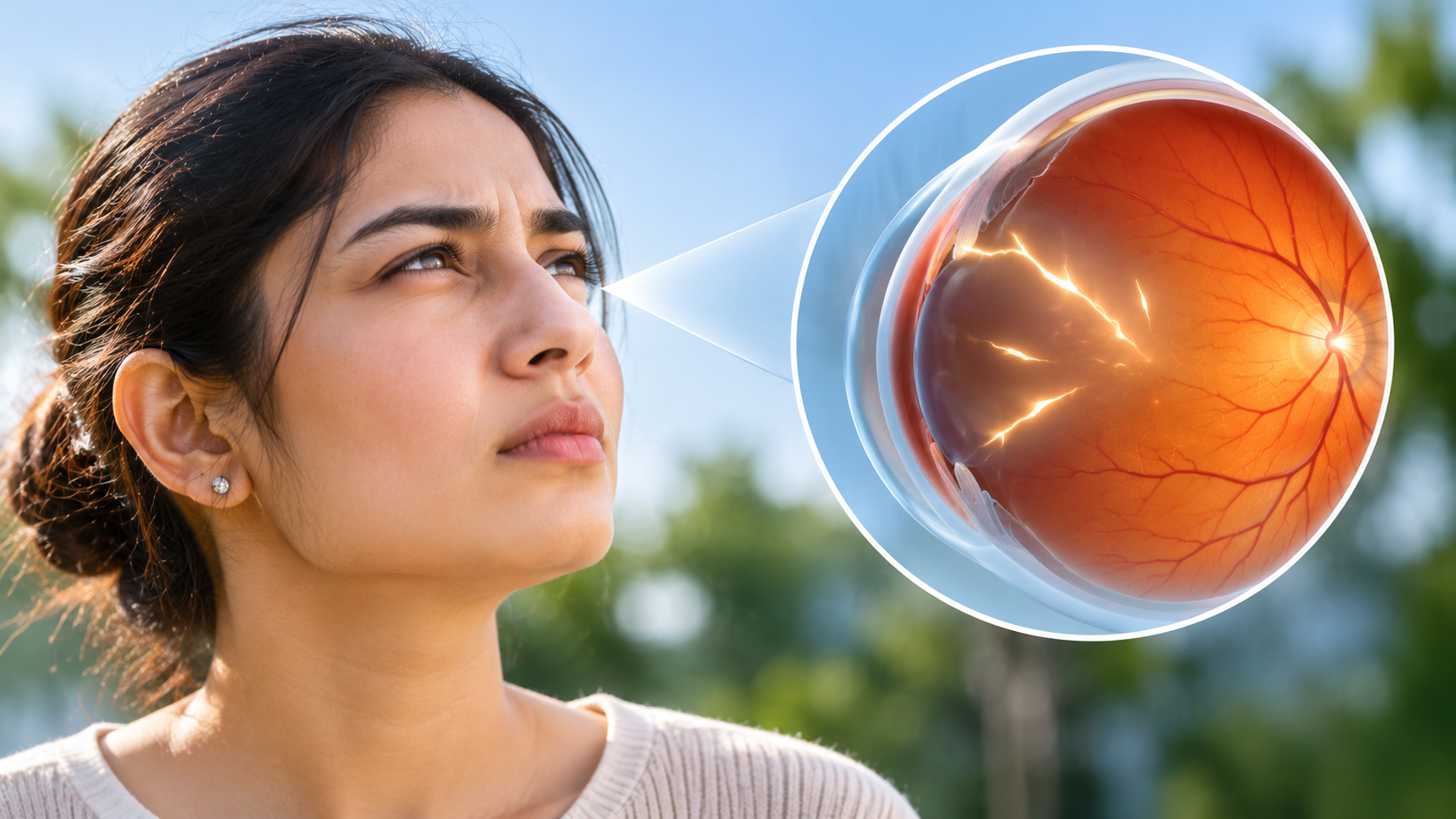
People with diabetes should contact an eye doctor if they notice sudden blurred vision, flashes of light, a sudden increase in floaters, or dark spots in their vision. These changes may indicate a retinal complication that needs prompt attention. Even without symptoms, regular diabetic eye examinations are important because diabetes-related eye damage can develop without affecting vision in the early stages.
Table of Contents
ToggleGet in touch with us today for expert eye care and personalized solutions. We’re here to help!
We’re here to provide reliable healthcare information and services. Let’s build a healthier future together.