 Gunjan Kumari
|
October 27, 2026
|
6 Min Read
Red eyes can be a sign of anything from everyday irritation to an underlying eye condition that requires medical attention. Why are my eyes always red? This is a common concern among people experiencing persistent redness, burning, itching, or watery eyes. Understanding the possible causes of red eyes, recognizing accompanying symptoms, and knowing how to care for your eyes can help you find appropriate treatment and prevent redness from returning.
Eye redness occurs when small blood vessels on the surface of the eye become enlarged or inflamed. Although some cases resolve without treatment, recurring redness may indicate a condition that needs professional assessment.
Dry eye occurs when your eyes do not produce enough tears or when tears evaporate too quickly. Common symptoms include redness, burning, gritty sensation, and fluctuating vision.
Prolonged screen use, air conditioning, dry weather, and reduced blinking can contribute to dry eyes and redness. Lubricating eye drops may help relieve symptoms, depending on the underlying cause.
Exposure to dust, pollen, pet dander and other allergens can trigger eye allergy symptoms, including redness, intense itching, watering and swollen eyelids.
Avoid rubbing your eyes, as this can worsen irritation. Identifying and limiting exposure to the triggers may help reduce recurring symptoms.
Conjunctivitis, commonly known as pink eye, causes inflammation of the membrane, covering the white of the eye and lining the eyelids. It may result from viral or bacterial infections, allergies, or irritants.
Eye infection symptoms can include redness, water discharge, sticky eyelids, and swelling. Some infections are contagious, so wash your hands regularly and avoid sharing towels. Seek medical advice if you suspect an eye infection.
Blepharitis is inflammation along the edges of the eyelids. It can cause redness, itching, burning, and crusting around the eyelashes. Symptoms may recur, making appropriate eyelid care and professional guidance important for long-term management.
Wearing contact lenses for too long, using them incorrectly or maintaining poor lens hygiene can irritate the eyes and increase the risk of infection. Smoke, dust, pollution, and certain cosmetic products may also cause redness.
Remove your contact lenses if your eyes become red. A painful red eye in a contact lens wearer needs urgent assessment, particularly when accompanied by light sensitivity or blurred vision.
Some causes of red eyes require prompt medical attention. Uveitis, corneal ulcers and acute angle-closure glaucoma can cause redness and potentially threaten vision. A bright red patch on the white of the eye may also result from a small broken blood vessel, sometimes without pain or vision changes.
The appearance of redness alone cannot reliably determine its cause.
The right red eyes treatment depends on what is causing the symptoms. These practical measures may help relieve mild irritation and reduce the risk of recurrence:
If redness persists or keeps returning despite these measures, an eye examination can help identify the underlying cause.
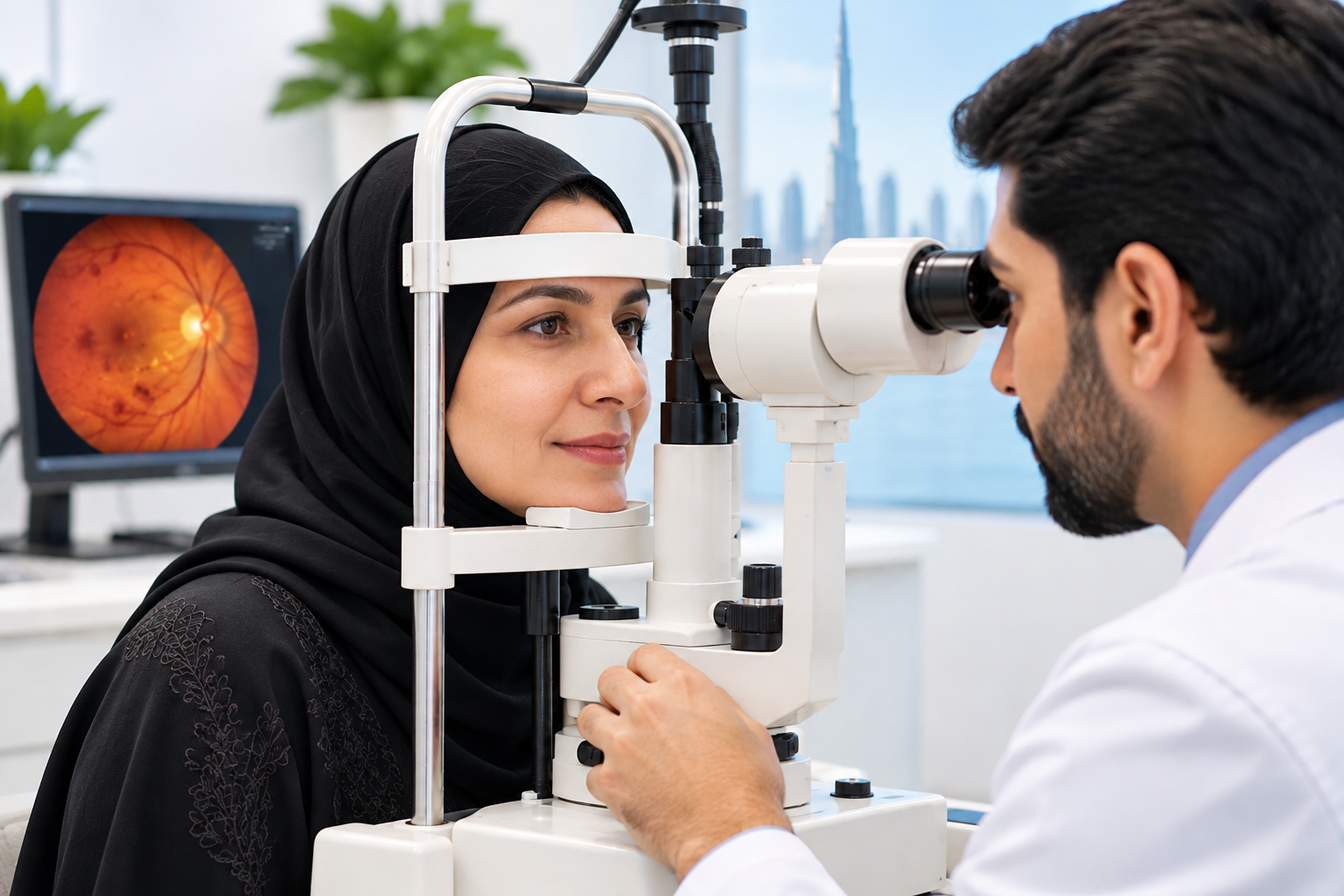
Recurring eye redness deserves attention, particularly when it does not improve or frequently returns. At Aloka Eye Clinic and Day Surgery Center, an eye examination can help identify the possible cause and guide appropriate treatment.
Consult an eye specialist for personalized advice if your eyes are frequently red or irritated.
Morning redness may be associated with dry eyes, eyelid inflammation, allergies, or irritation during sleep. If it happens regularly, an eye specialist can help determine the cause.
Yes. Prolonged screen use can reduce blinking and contribute to dry, irritated eyes. Regular breaks and conscious blinking may help relieve symptoms.
No. Dry eyes, allergies, environmental irritants and broken surface blood vessels can also cause redness. Discharge, pain, or vision changes may indicate a condition requiring medical assessment.
For mild irritation, a clean cool compress, avoiding eye rubbing and suitable lubricating drops may help. Treatment depends on the cause, so persistent or worsening symptoms should be assessed by an eye care professional.
Seek urgent medical attention if you experience severe eye pain, sudden vision changes, significant light sensitivity, an eye injury, or a painful red eye while wearing contact lenses. Arrange an eye examination for persistent or recurring redness, even when discomfort is mild.
Table of Contents
ToggleGet in touch with us today for expert eye care and personalized solutions. We’re here to help!
We’re here to provide reliable healthcare information and services. Let’s build a healthier future together.