 Gunjan Kumari
|
October 13, 2026
|
6 Min Read
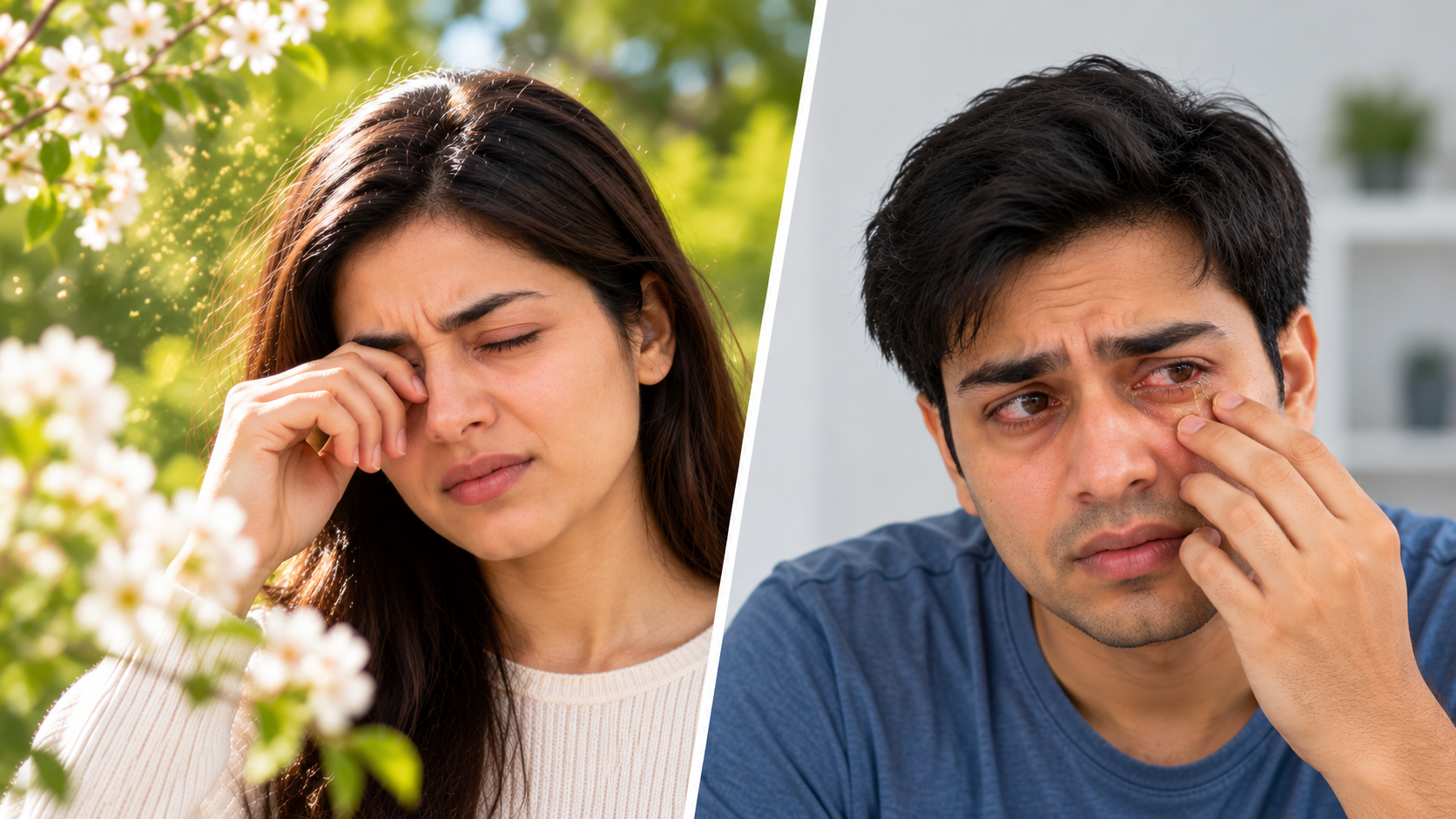
Light sensitivity can make everyday activities uncomfortable, from driving in bright sunlight to working under indoor lighting or using a digital screen. Medically known as photophobia, this condition occurs when light causes unusual discomfort or pain in the eyes.
Occasional discomfort in bright light is normal. However, persistent or newly developed light sensitivity may be associated with dry eye disease, migraines, inflammation, or other eye conditions. Understanding the cause is important because treatment depends on the underlying problem.
Light sensitivity can develop for several reasons, ranging from temporary irritation to conditions that require medical attention.
Dry Eye Disease
Dry eye disease occurs when the eyes do not produce enough tears or when tears evaporate too quickly. An unstable tear film can irritate the eye’s surface, causing burning, watering, blurred vision, and sensitivity to light.
Eye Inflammation
Conditions such as uveitis involve inflammation inside the eye and may cause light sensitivity, redness, pain, and blurred vision. Prompt medical assessment is important because untreated inflammation can lead to complications affecting sight.
Migraines
Light sensitivity is a recognised symptom of migraine. Bright lights, glare, and certain visual stimuli may worsen headache symptoms or make it difficult to remain in brightly lit environments.
Corneal Problems
The cornea is the transparent front surface of the eye. A scratch, infection, or inflammation affecting this structure can make light uncomfortable. Contact lens-related infections are one possible cause and may require urgent treatment.
Bright Sunlight and UV Exposure
Intense ultraviolet (UV) exposure can damage the surface of the eye and cause photokeratitis, a painful condition sometimes described as a sunburn of the eye. Symptoms can include redness, tearing, blurred vision, and light sensitivity.
A sudden change in light tolerance deserves particular attention, especially when it occurs alongside other symptoms.
Possible causes include corneal injury, eye inflammation, infection, migraine, or complications following an eye procedure. Light sensitivity accompanied by eye pain, redness, or blurred vision requires urgent medical assessment.
Seek emergency medical care if you experience sudden vision loss, severe eye pain, or light sensitivity with a severe headache, fever, or neck stiffness. These symptoms can indicate a serious eye or neurological condition.
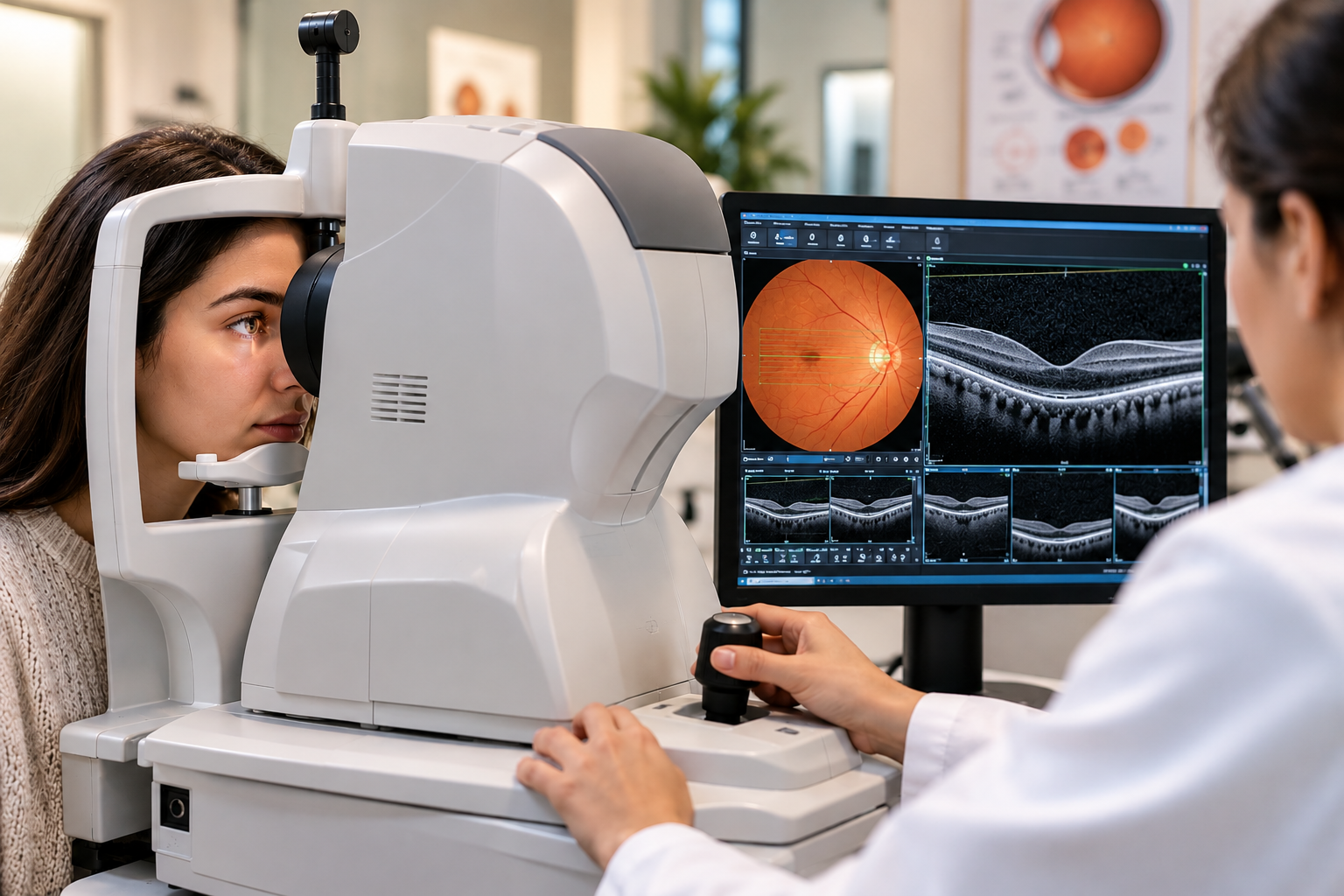
Treatment depends on what is causing sensitivity. An ophthalmologist may examine the eye’s surface, assess vision, and check for inflammation or other abnormalities.
Depending on the diagnosis, treatment may include:
Avoid using prescription eye drops without medical advice, particularly steroid-containing drops, which can worsen certain infections or cause other complications.
A few practical measures may help reduce discomfort while the underlying cause is being assessed.
Persistent symptoms should not be managed solely by avoiding light. Identifying the underlying cause remains essential.
Arrange an eye examination if light sensitivity persists, keeps returning, becomes progressively worse, or interferes with reading, driving, or other daily activities.
Seek urgent assessment if it develops with eye pain, significant redness, or changes in vision. Sudden or severe symptoms may require emergency care.
An ophthalmologist can determine whether the problem relates to the eye’s surface, inflammation, another eye condition, or a non-eye-related cause, and recommend appropriate treatment.
Light sensitivity is known as photophobia. It describes discomfort or pain triggered by light and can occur with eye conditions, migraines, and certain neurological disorders.
Yes. Dry eye disease can irritate the surface of the eye and cause burning, watering, blurred vision, and light sensitivity.
Bright sunlight can cause discomfort because of glare or increased light sensitivity. Persistent pain, particularly with redness or blurred vision, may indicate an underlying condition that requires assessment.
Yes. Conditions such as uveitis, corneal infections, and corneal injuries can cause light sensitivity. Sudden symptoms or sensitivity accompanied by pain, redness, or vision changes should be assessed urgently.
Consult an ophthalmologist if light sensitivity persists, worsens, or interferes with daily activities. Seek urgent medical attention if it occurs with eye pain, redness, or blurred vision, and emergency care for sudden vision loss or severe symptoms.
Table of Contents
ToggleGet in touch with us today for expert eye care and personalized solutions. We’re here to help!
We’re here to provide reliable healthcare information and services. Let’s build a healthier future together.