 Gunjan Kumari
|
September 29, 2026
|
4 Min Read
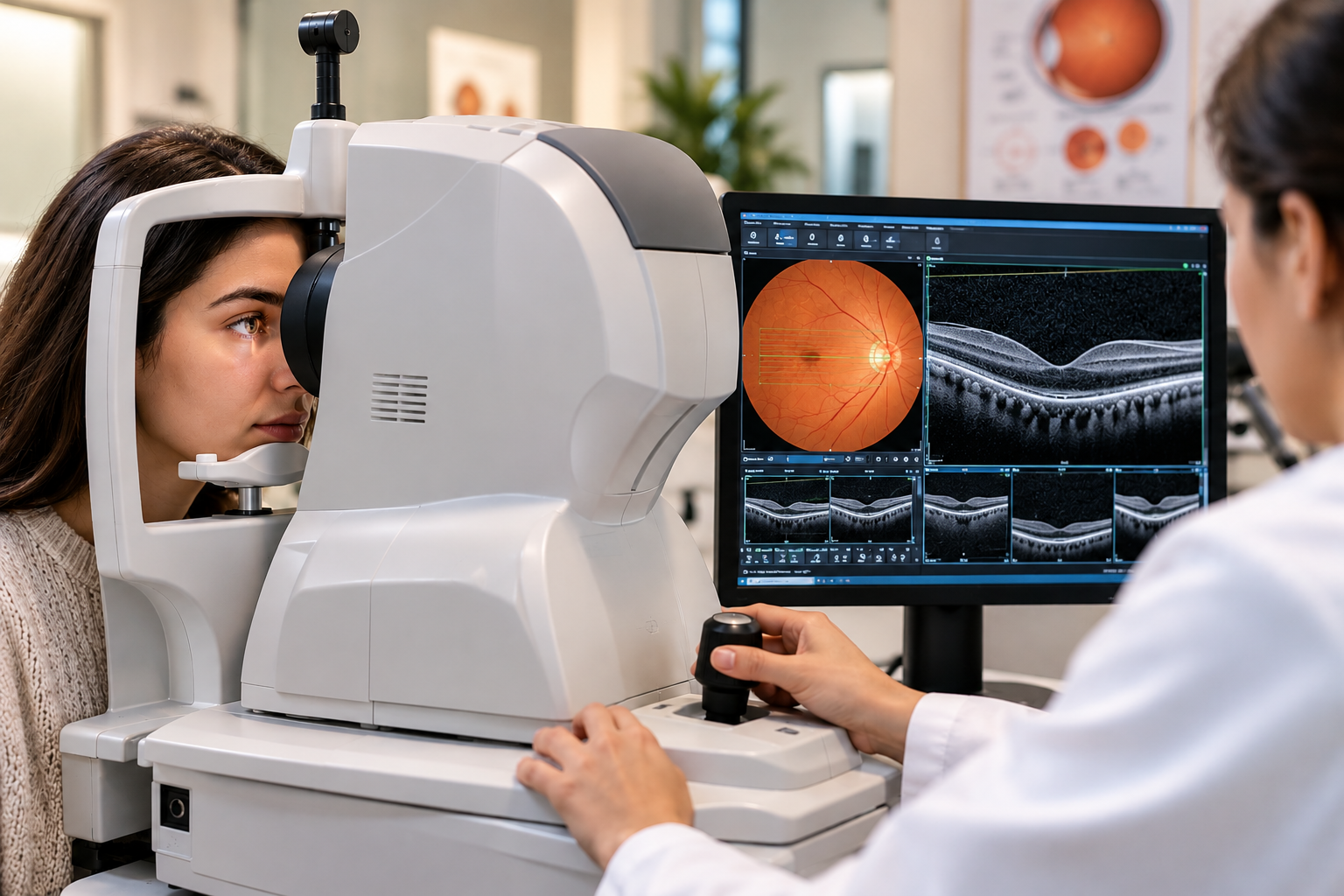
Your eyes support nearly every aspect of daily life, from reading and working to driving and enjoying time with family and friends. While vision changes are often associated with aging, eye examinations are important at every stage of life. Regular eye checkups can help detect vision problems, monitor eye health, and identify certain eye conditions before noticeable symptoms develop.
Many eye diseases progress gradually and may not cause discomfort in their early stages. Scheduling routine eye examinations can help ensure that potential concerns are identified and managed as early as possible.
Certain symptoms should not be ignored, as they may indicate an underlying eye condition that requires professional evaluation.
Consider scheduling an eye examination if you experience:
Any sudden change in vision should be assessed promptly by an eye care professional.
Clear vision does not always mean your eyes are healthy. Conditions such as glaucoma, diabetic eye disease, and certain retinal disorders can develop without obvious symptoms during the early stages.
A comprehensive eye examination evaluates more than your need for glasses or contact lenses. It also allows your ophthalmologist to assess the overall health of your eyes and identify potential concerns before they affect vision.
Eye examinations are important for both children and adults.
Children benefit from routine eye assessments to support healthy visual development and learning. Adults should continue regular eye examinations to monitor changes in vision and detect age-related eye conditions.
Individuals with diabetes, a family history of eye disease, previous eye conditions, or other risk factors may require more frequent examinations based on their ophthalmologist’s recommendations.
Early diagnosis often provides more treatment options and may help reduce the risk of vision loss. Detecting eye conditions before symptoms become noticeable can improve long-term outcomes and support better eye health.
Regular eye examinations also help ensure that vision correction, if needed, remains accurate and effective for everyday activities.
Scheduling an eye examination should be part of a proactive approach to eye health. Whether you have noticed changes in your vision or simply want to maintain healthy eyes, routine examinations play an important role in protecting your sight.
Making eye care a priority today can help support clear, comfortable vision for years to come.
The recommended frequency varies based on age, eye health, and individual risk factors. Your ophthalmologist can recommend an appropriate schedule for your needs.
Yes. Several eye conditions can develop without noticeable symptoms, making regular examinations important even when vision appears normal.
Yes. Comprehensive eye examinations can help identify certain eye conditions in their early stages, often before vision changes become noticeable.
Persistent eye strain, headaches, blurred vision, or discomfort during screen use may indicate the need for an eye examination.
Seek prompt medical attention if you experience sudden vision loss, flashes of light, a sudden increase in floaters, severe eye pain, or any rapid change in vision.
Table of Contents
ToggleGet in touch with us today for expert eye care and personalized solutions. We’re here to help!
We’re here to provide reliable healthcare information and services. Let’s build a healthier future together.