 Gunjan Kumari
|
September 17, 2026
|
5 Min Read
The UAE enjoys sunshine throughout much of the year, making outdoor activities a regular part of daily life. While people often think about protecting their skin from the sun, eye protection is equally important. Prolonged exposure to ultraviolet (UV) rays can affect different parts of the eye and may increase the risk of certain eye conditions over time.
The effects of UV exposure are not always immediately noticeable. In many cases, damage develops gradually, making prevention and regular eye examinations an important part of maintaining long-term eye health.
Ultraviolet radiation from the sun can affect the surface of the eye as well as deeper structures inside the eye. Just as UV rays can damage the skin, they can also contribute to changes in eye tissues over time.
Exposure accumulates throughout life, which means the amount of UV radiation your eyes receive today may influence your eye health in the future.
Cataracts
Long-term exposure to UV rays has been associated with an increased risk of cataracts, a condition in which the eye’s natural lens becomes cloudy. Cataracts can cause blurred vision, glare, and difficulty seeing clearly, particularly in bright light.
Pterygium
Often referred to as “surfer’s eye,” a pterygium is a growth of tissue on the surface of the eye. It is more commonly seen in people who spend significant time outdoors in sunny environments. In some cases, it can affect vision or cause ongoing irritation.
Photokeratitis
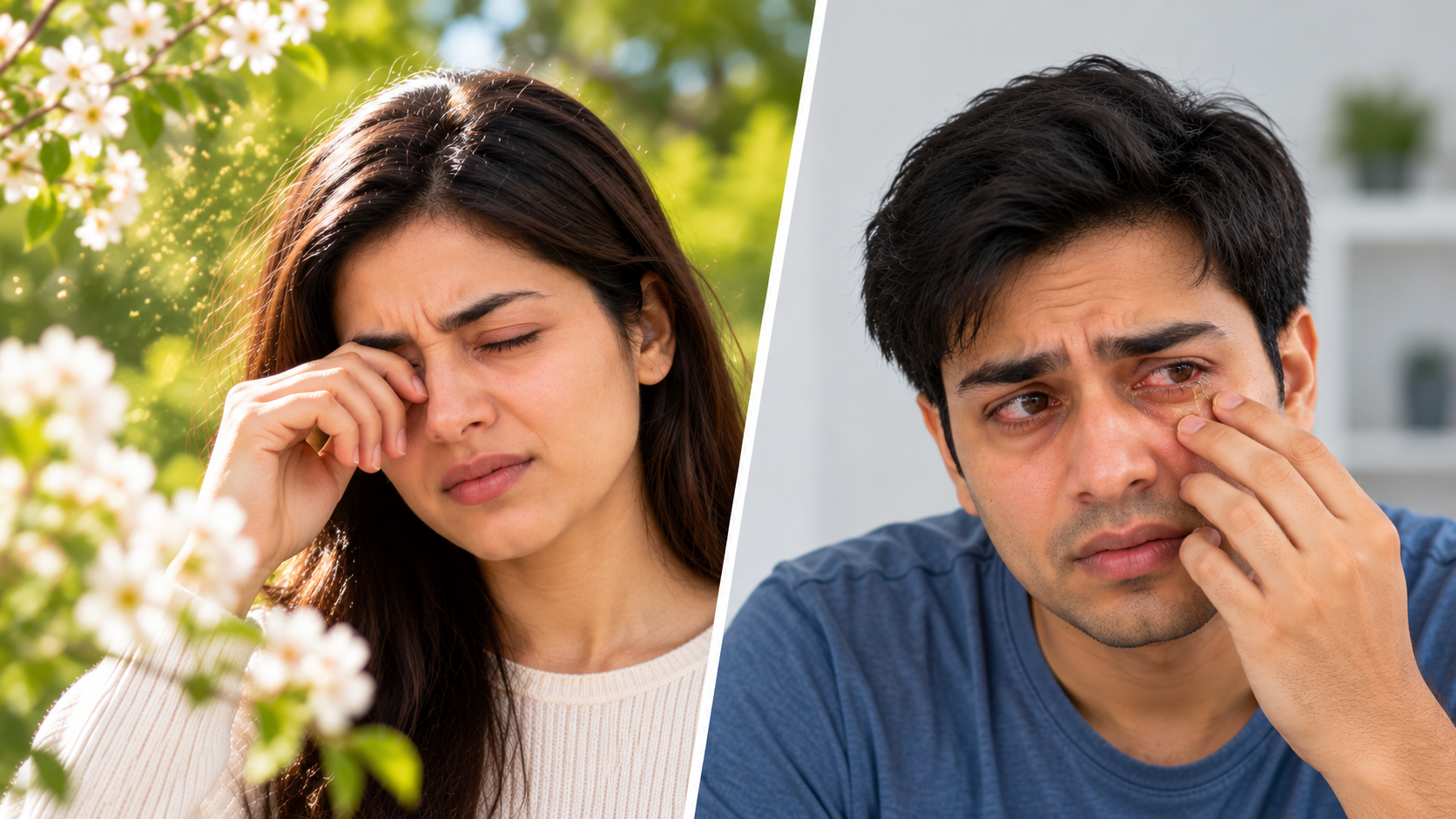
Photokeratitis is sometimes described as a sunburn of the eye. It can occur after intense UV exposure and may cause symptoms such as eye pain, redness, tearing, light sensitivity, and blurred vision.
Retinal Damage
Although the eye has natural protective mechanisms, excessive exposure to sunlight may contribute to damage affecting the retina, particularly when looking directly at the sun. This type of injury can potentially affect vision.
The UAE’s climate creates conditions where UV exposure can be significant throughout the year.
In addition to direct sunlight, UV rays can be reflected from:
This reflected light can increase overall UV exposure, even when you are not looking directly at the sun. Outdoor workers, athletes, beachgoers, and individuals who spend extended periods outdoors may face higher levels of exposure.
Wear UV-Blocking Sunglasses
Not all sunglasses provide the same level of protection. Look for sunglasses that offer 100% UV protection or UV400 protection to help block harmful UVA and UVB rays.
Use a Wide-Brimmed Hat
A hat can help reduce the amount of sunlight reaching the eyes and provide additional protection when combined with sunglasses.
Avoid Looking Directly at the Sun
Direct sun viewing can cause serious damage to the retina. This risk may increase during solar events or when sunlight is particularly intense.
Protect Children’s Eyes
Children often spend considerable time outdoors, and their eyes may be more vulnerable to UV exposure. Appropriate eye protection from an early age can help reduce lifetime UV exposure.
Schedule Regular Eye Examinations
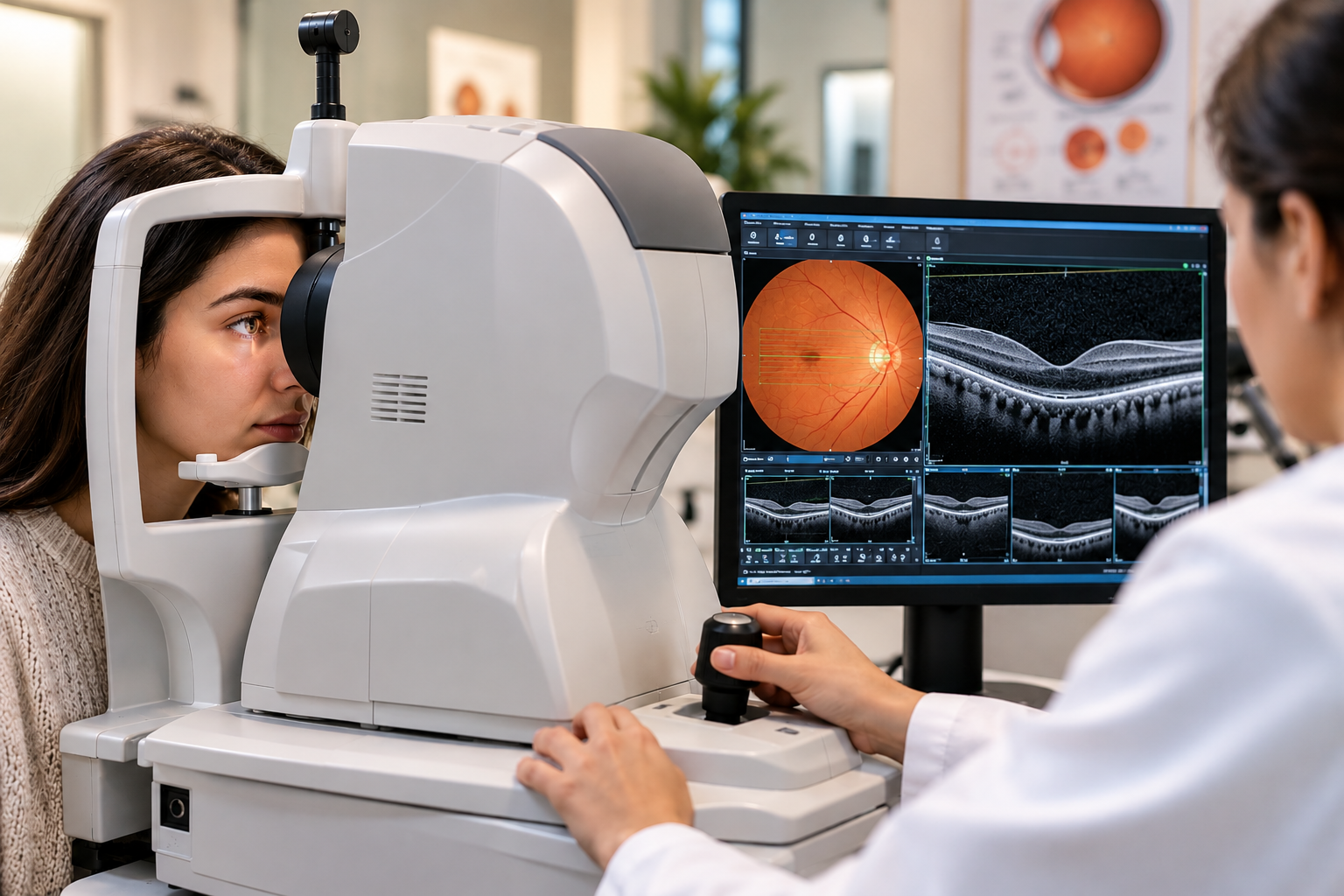
Routine eye examinations can help identify early signs of eye conditions and support long-term eye health. They are especially valuable for people who spend significant time outdoors.
The effects of UV exposure often develop gradually, making prevention one of the most effective strategies for protecting eye health. Simple habits such as wearing UV-protective sunglasses and seeking regular eye care can help reduce the risk of sun-related eye problems.
Taking steps to protect your eyes today can support a clearer, healthier vision for years to come.
Yes. Excessive UV exposure can affect the surface of the eye and may contribute to conditions such as photokeratitis, pterygium, and cataracts over time.
Not necessarily. The most important factor is UV protection. Sunglasses should provide 100% UVA and UVB protection regardless of lens colour.
Yes. Children are exposed to UV rays during outdoor activities and can benefit from wearing appropriate sun protection, including UV-blocking sunglasses.
Yes. UV rays can pass through clouds, so eye protection remains important even when the weather is overcast.
Schedule an eye examination if you experience persistent light sensitivity, eye pain, redness, excessive tearing, blurred vision, or any noticeable changes in vision after sun exposure. Regular eye examinations are also recommended for monitoring long-term eye health and detecting early signs of UV-related eye conditions.
Table of Contents
ToggleGet in touch with us today for expert eye care and personalized solutions. We’re here to help!
We’re here to provide reliable healthcare information and services. Let’s build a healthier future together.