 aloka_admin
|
September 3, 2026
|
5 Min Read
aloka_admin
|
September 3, 2026
|
5 Min Read
Drooping of the upper eyelid, known as ptosis, can affect one or both eyes and may occur at any age. In some cases, ptosis is only a cosmetic concern. In others, it can interfere with vision and make everyday activities more difficult.
Understanding the causes of ptosis and the available treatment options can help individuals seek timely care and protect their visual function when needed.
Ptosis occurs when the upper eyelid droops lower than its normal position. The condition develops when the muscle responsible for lifting the eyelid becomes weakened, stretched, or unable to function properly.
The severity of ptosis can vary. A mild droop may cause little concern, while more significant cases can partially block the pupil and affect vision.
Several factors can contribute to the development of ptosis.
Age-Related Changes
Natural ageing is one of the most common causes of ptosis. Over time, the tendon that helps lift the eyelid can stretch, causing the eyelid to gradually droop.
Congenital Ptosis
Some children are born with ptosis due to incomplete development of the eyelid lifting muscle. Early evaluation is important, especially if vision development may be affected.
Nerve or Muscle Disorders
Certain neurological and muscular conditions can affect eyelid movement and lead to ptosis. In these situations, a comprehensive eye examination and further medical evaluation may be required.
Eye Surgery or Trauma
Previous eye surgery, injury, or trauma around the eye can occasionally affect the structures responsible for eyelid position.
Contact Lens Use
Long-term use of contact lenses, particularly hard contact lenses, has been associated with an increased risk of developing ptosis in some individuals.
Symptoms may include:
The impact on vision depends on how much the eyelid covers the pupil.
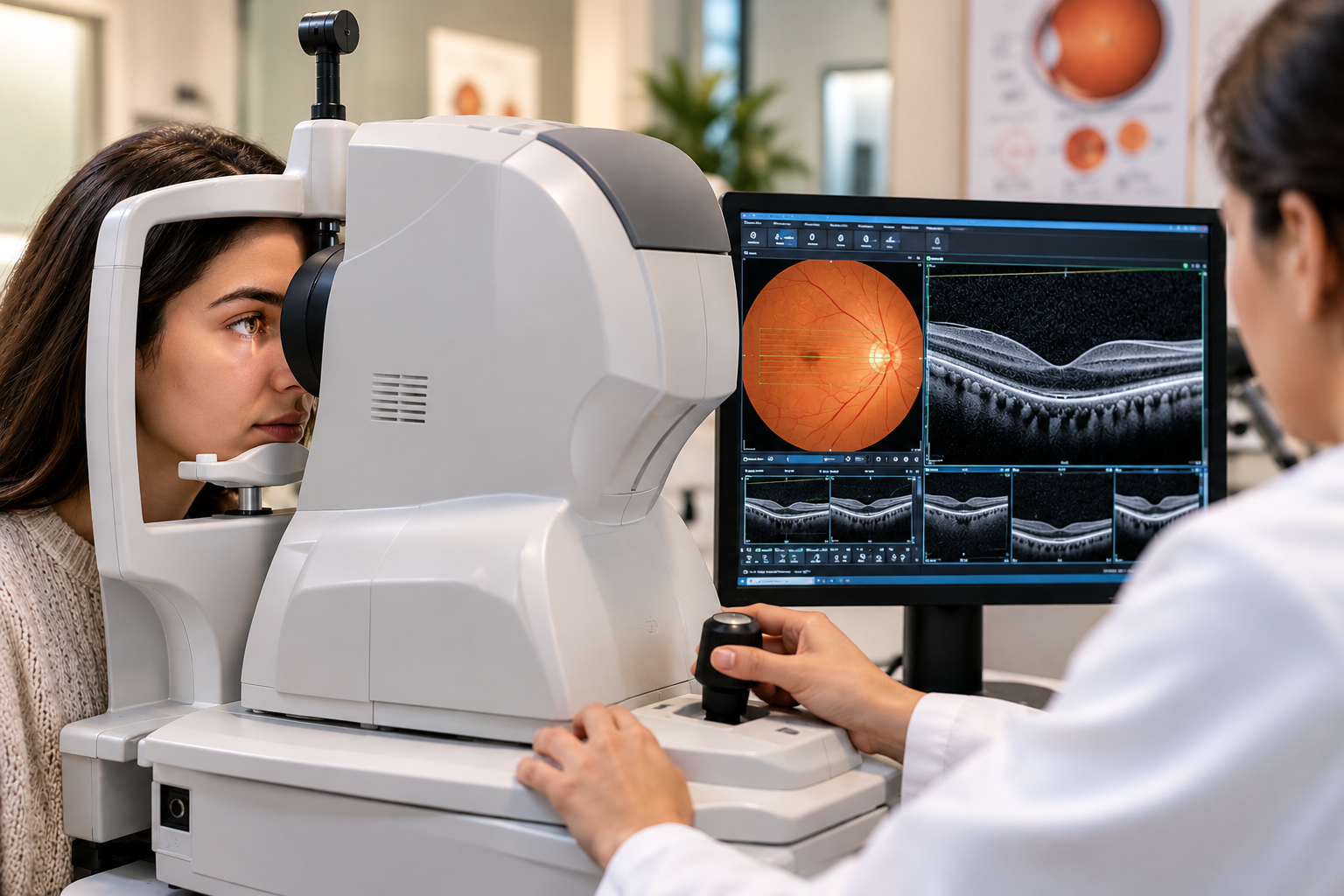
An ophthalmologist will perform a detailed eye examination to evaluate eyelid position, muscle function, eye movements, and overall eye health.
Additional testing may be recommended if an underlying neurological or muscular condition is suspected.
Treatment depends on the cause, severity, and impact on vision.
Observation and Monitoring
Mild ptosis that does not affect vision may simply require regular monitoring.
Managing Underlying Conditions
When ptosis is related to a nerve or muscle disorder, treating the underlying condition may help improve eyelid function.
Ptosis Surgery
Surgery is the most common treatment for significant ptosis. The procedure typically involves tightening or repositioning the muscle responsible for lifting the eyelid.
The goal is to improve eyelid position, restore a normal field of vision, and create a more balanced appearance.
Ptosis Treatment in Children
Children with ptosis may require early treatment if the drooping eyelid interferes with vision development or increases the risk of amblyopia (lazy eye).
Ptosis is not always a cosmetic concern. A drooping eyelid can sometimes indicate an underlying medical condition or affect visual function.
Early assessment helps determine the cause, identify any associated eye or neurological conditions, and ensure that appropriate treatment is provided when necessary.
Ptosis can range from mild cosmetic concern to a condition that affects vision. An eye examination can help determine whether treatment is needed.
The answer depends on the underlying cause. Age-related ptosis typically does not improve without treatment, while ptosis caused by certain medical conditions may improve if the underlying issue is addressed.
Yes. If the drooping eyelid partially covers the pupil, it can reduce the field of vision and make daily activities more difficult.
Ptosis surgery is a commonly performed procedure and is generally considered safe when performed by an experienced ophthalmic surgeon. Your ophthalmologist can discuss the potential benefits and risks based on your individual case.
Schedule an eye examination if you notice a new or worsening drooping eyelid, reduced vision, eye fatigue, difficulty keeping your eye open, or changes affecting one or both eyelids. Prompt evaluation is particularly important if ptosis develops suddenly or is accompanied by double vision, headaches, or other neurological symptoms.
Table of Contents
ToggleGet in touch with us today for expert eye care and personalized solutions. We’re here to help!
We’re here to provide reliable healthcare information and services. Let’s build a healthier future together.