 Gunjan Kumari
|
September 1, 2026
|
5 Min Read
Gunjan Kumari
|
September 1, 2026
|
5 Min Read
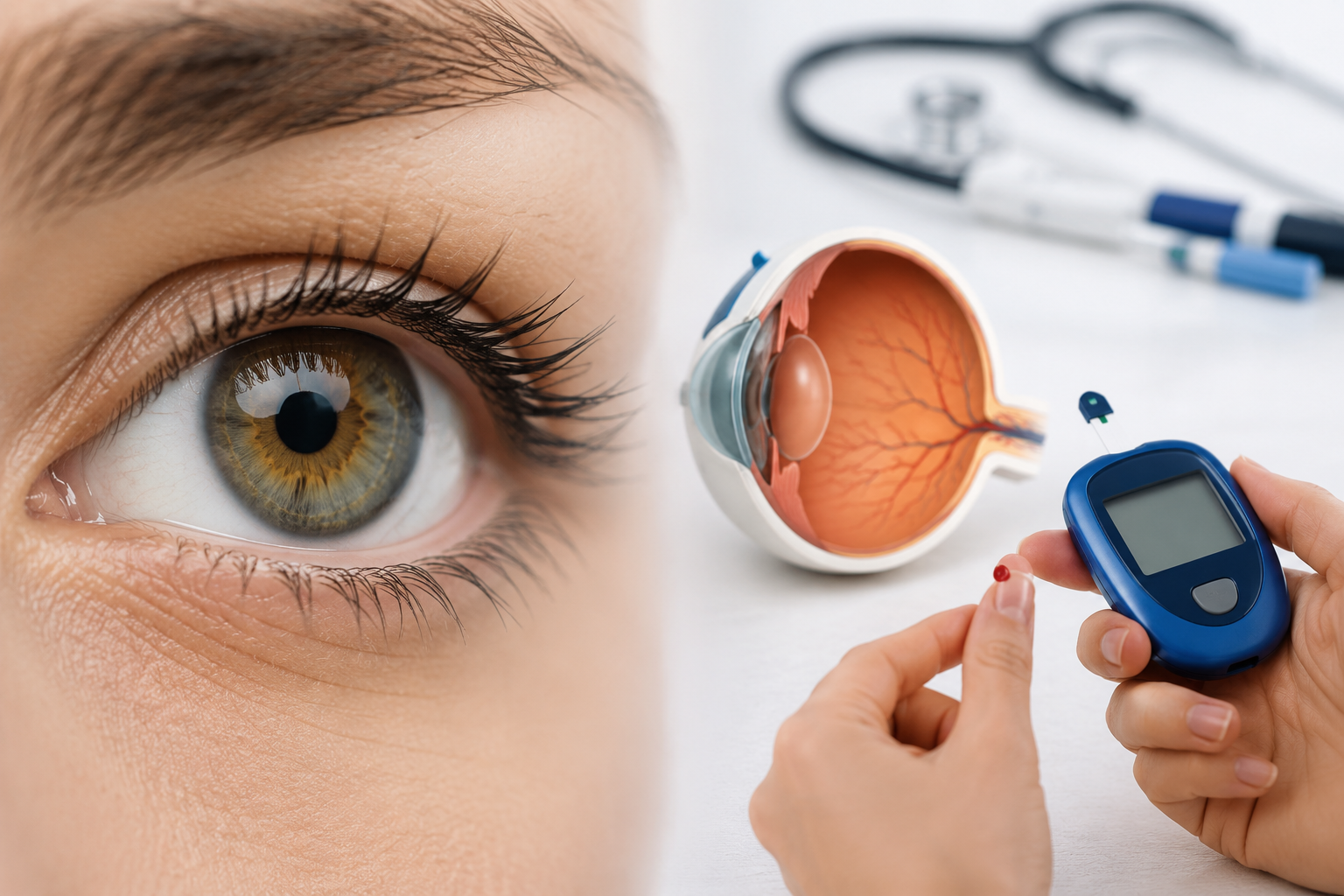
Diabetes can affect several parts of the body, including the eyes. Changes in blood sugar levels may damage the delicate blood vessels inside the eye, sometimes long before noticeable vision problems develop.
Protecting your vision starts with understanding the early warning signs and recognizing when an eye examination may be needed. Early detection and timely treatment can help reduce the risk of long-term vision complications associated with diabetes.
The retina is the light-sensitive tissue at the back of the eye that plays a vital role in vision. High blood sugar levels can damage the small blood vessels that supply the retina, leading to a condition known as diabetic retinopathy.
Diabetes can also increase the risk of other eye conditions, including:
Regular eye examinations are important because these conditions may develop gradually and often cause few symptoms in their early stages.
Vision changes related to diabetes can vary from person to person. While some individuals notice symptoms, others may have no obvious warning signs until the condition has progressed.
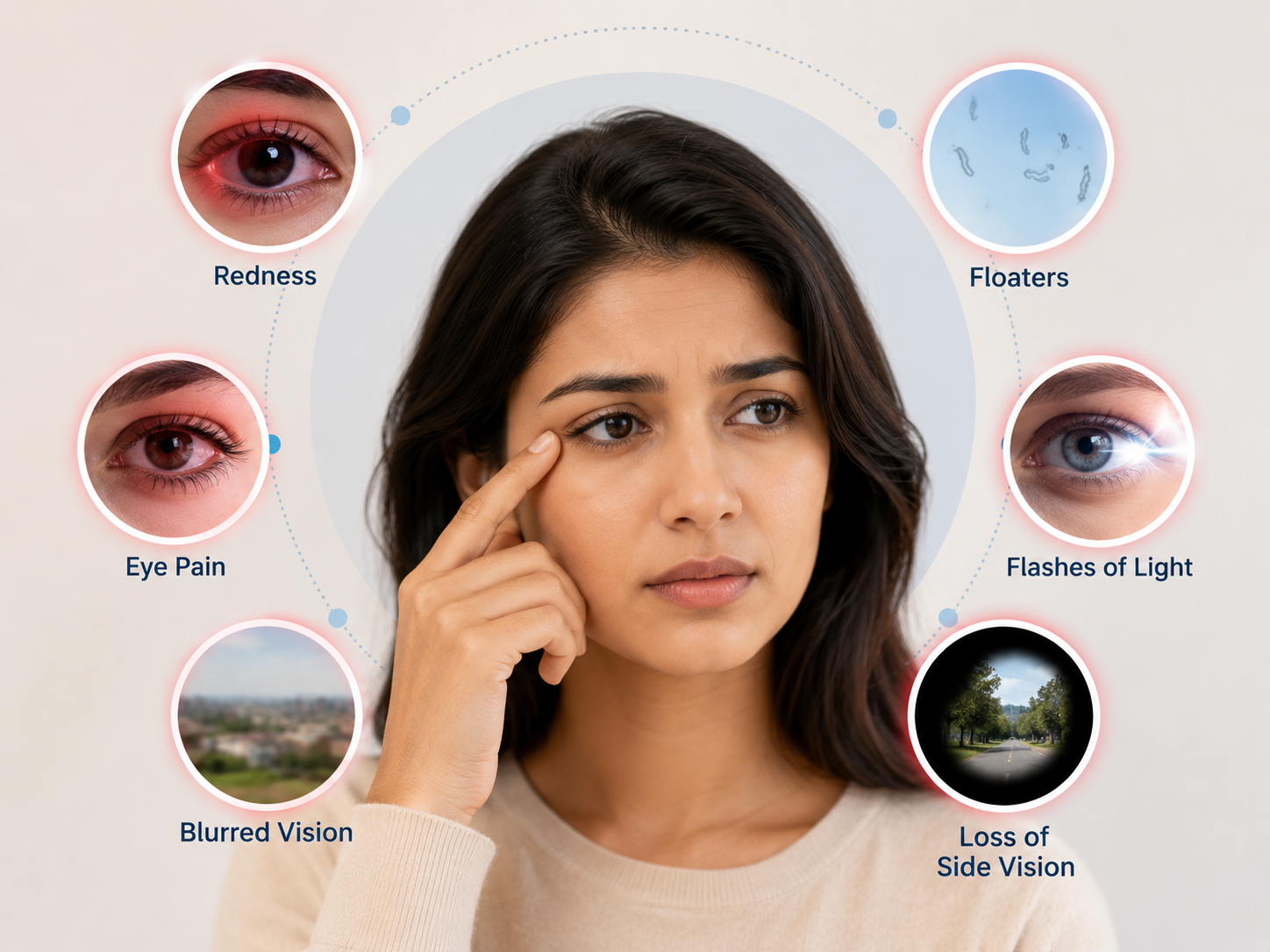
Blurred Vision
Blurred vision is one of the earliest and most common symptoms associated with diabetes-related eye changes. Fluctuating blood sugar levels can affect the eye’s ability to focus properly.
Floaters or Dark Spots
Small dark spots, specks, or floating shapes in your vision may indicate changes in the retinal blood vessels. A sudden increase in floaters should always be evaluated by an ophthalmologist.
Difficulty Seeing at Night
Reduced night vision can sometimes occur when diabetes affects the retina. Driving or seeing clearly in low-light conditions may become more challenging.
Fluctuating Vision
Vision that seems clear one day and blurry the next may be linked to changing blood sugar levels. Repeated fluctuations should not be ignored.
Dark or Empty Areas in Vision
Changes in the retina can occasionally create dark patches or missing areas within your field of vision. Prompt assessment is important if these symptoms occur.
Diabetic eye disease often develops without noticeable symptoms during its early stages. An individual may feel that their vision is normal while changes are occurring inside the eye.
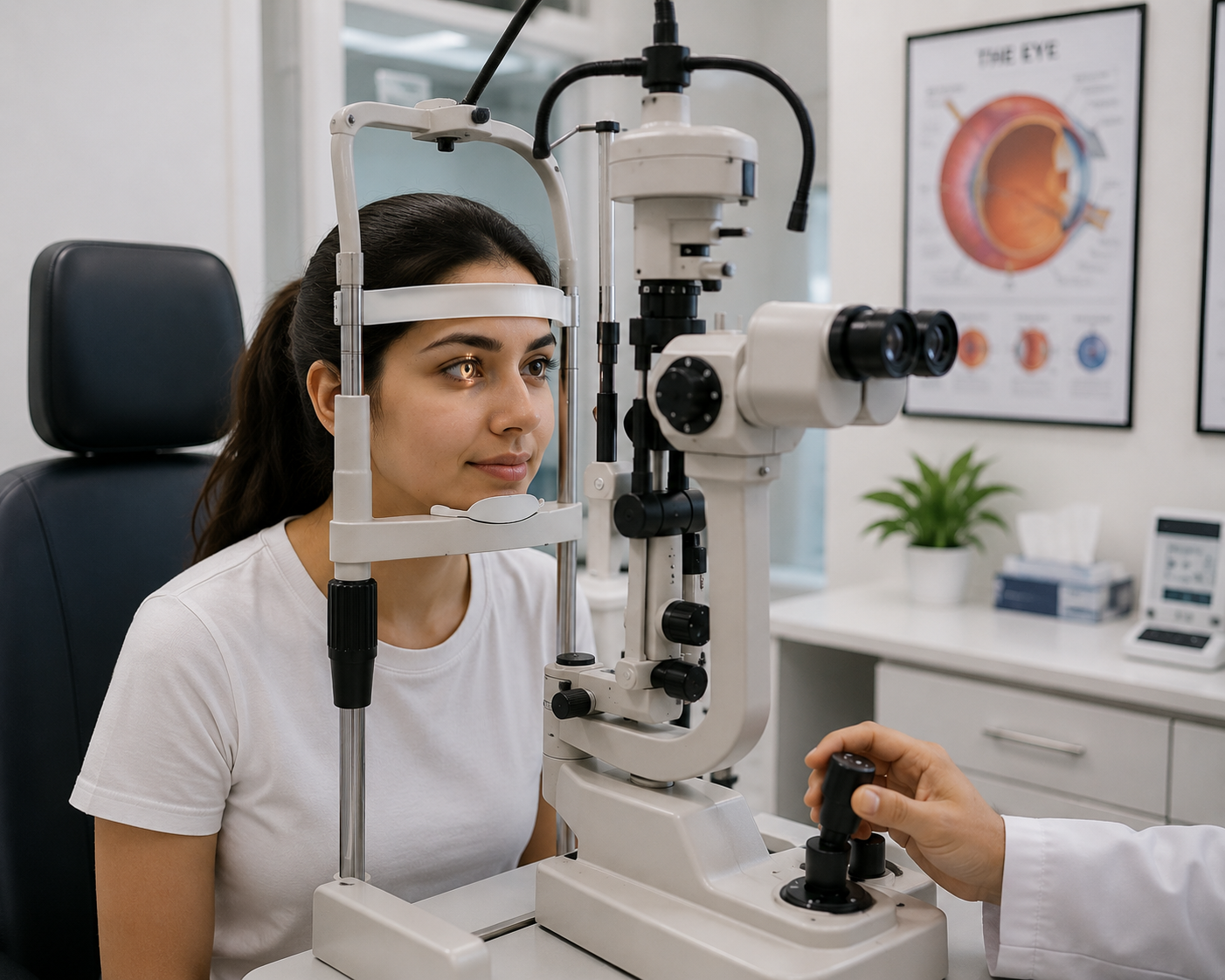
Comprehensive eye examinations allow ophthalmologists to detect early retinal damage before vision loss develops. Early diagnosis often leads to better treatment outcomes and improved long-term eye health.
Managing diabetes effectively plays an important role in maintaining healthy vision.
Helpful steps include:
A proactive approach to eye care can significantly reduce the risk of diabetes-related vision complications.
Yes. Diabetic eye disease can develop without noticeable symptoms during the early stages. Regular eye examinations help detect changes before vision becomes affected.
Diabetic retinopathy is a condition that occurs when diabetes damage small blood vessels in the retina. Early detection and treatment can help protect vision.
Blurred vision can occur for several reasons, including changes in blood sugar levels. An eye examination can help determine the underlying cause.
Good blood sugar control, regular eye examinations, and proper management of diabetes can significantly reduce the risk of vision complications.
People with diabetes should have regular comprehensive eye examinations as recommended by their ophthalmologist. More frequent monitoring may be needed depending on the duration of diabetes, overall eye health, and the presence of diabetic eye disease.
Table of Contents
ToggleGet in touch with us today for expert eye care and personalized solutions. We’re here to help!
We’re here to provide reliable healthcare information and services. Let’s build a healthier future together.