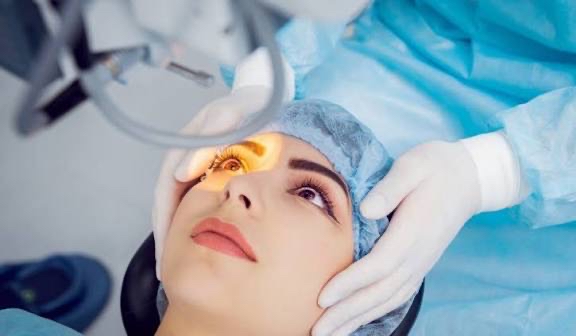
Diabetes can affect many parts of the body, including the eyes. Patients with diabetes are more likely to develop cataracts earlier and may have concerns about whether cataract surgery is safe for them. This blog explains how diabetes affects cataract surgery, what precautions are needed, and what diabetic patients should know before and after the procedure. How Diabetes Affects the Eyes Diabetes can cause changes in the blood vessels of the eye and affect overall eye health. Over time, high blood sugar levels may lead to conditions such as diabetic retinopathy, macular edema, and early cataract formation. At Aloka Eye Clinic, diabetic patients undergo detailed eye evaluations to assess both cataracts and any diabetes-related eye changes before planning surgery. Is Cataract Surgery Safe for Diabetic Patients Yes, cataract surgery is generally safe for diabetic patients when performed with proper evaluation and precautions. However, diabetes requires additional attention before, during, and after surgery. The key to successful outcomes is careful planning and monitoring. Why Cataracts Develop Earlier in Diabetic Patients Patients with diabetes often develop cataracts at a younger age compared to non-diabetic individuals. High blood sugar levels can cause changes in the lens, leading to clouding over time. Good blood sugar control may help slow cataract progression, but surgery is often required once vision is affected. Pre-Surgery Evaluation for Diabetic Patients Before cataract surgery, diabetic patients need a more detailed eye assessment to ensure safe surgery and good visual results. Retina Examination Before Surgery A thorough retinal examination is essential to check for diabetic retinopathy or macular edema. These conditions may need treatment before or after cataract surgery. Blood Sugar Control Before Surgery Stable blood sugar levels reduce the risk of complications and support proper healing. Your eye specialist may coordinate with your physician to ensure diabetes is well managed before surgery. Cataract Surgery Considerations in Diabetic Patients Cataract surgery techniques are similar for diabetic and non-diabetic patients, but surgeons take extra care during planning and follow-up. Modern surgical methods help reduce inflammation and support faster recovery. Recovery After Cataract Surgery in Diabetic Patients Recovery may be slightly slower in diabetic patients, but most individuals heal well with proper care and follow-up. Post-Surgery Eye Drops and Monitoring Eye drops help control inflammation and prevent infection. Diabetic patients may require closer monitoring to detect any retinal changes early. Vision Improvement Timeline Vision usually improves gradually. Final visual outcomes depend on both cataract removal and the health of the retina. Possible Risks and How They Are Managed While cataract surgery is safe, diabetic patients may have a slightly higher risk of: • Inflammation after surgery • Macular swelling • Progression of diabetic retinopathy With regular follow-ups and timely treatment, these risks can be effectively managed. Frequently Asked Questions About Cataract Surgery and Diabetes Can diabetic patients undergo cataract surgery safely? Yes. With proper evaluation and blood sugar control, cataract surgery is safe for most diabetic patients. Does cataract surgery worsen diabetic retinopathy? In some cases, retinopathy may progress after surgery. Regular monitoring helps detect and manage changes early. Should diabetes be controlled before cataract surgery? Yes. Good blood sugar control before and after surgery supports healing and reduces complications. Will vision fully improve after surgery? Vision improvement depends on both cataract removal and retinal health. Patients without advanced retinal disease often experience significant improvement. Importance of Choosing the Right Eye Specialist Cataract surgery in diabetic patients requires experience, advanced diagnostics, and careful follow-up. An experienced eye specialist ensures risks are identified early and managed appropriately. Book a Diabetic Eye Evaluation at Aloka Eye Clinic If you have diabetes and cataracts, a professional eye evaluation is essential before planning surgery. At Aloka Eye Clinic, diabetic patients receive comprehensive eye assessments and personalized care to ensure safe cataract surgery and optimal vision outcomes. Contact Us TodayPhone: +971 4 546 6379Mobile/WhatsApp: +971 56 991 2254 Book your consultation today and take the first step toward clearer, brighter vision. Diabetes can affect many parts of the body, including the eyes. Patients with diabetes are more likely to develop cataracts earlier and may have concerns about whether cataract surgery is safe for them. This blog explains how diabetes affects cataract surgery, what precautions are needed, and what diabetic patients should know before and after the procedure. How Diabetes Affects the Eyes Diabetes can cause changes in the blood vessels of the eye and affect overall eye health. Over time, high blood sugar levels may lead to conditions such as diabetic retinopathy, macular edema, and early cataract formation. At Aloka Eye Clinic, Related Blogs 5 Things To Decide Before Undergoing Cataract Surgery Cataract is a common age-related eye condition in which the natural lens of the eye becomes cloudy, leading to blurred or hazy vision. Read More Pterygium: When Sunlight Starts Growing on Your Eye Have you noticed a small, fleshy growth on the white part of your eye that seems to be slowly moving toward the cornea? Read More Glaucoma: The Silent Thief That Steals Vision Without Warning Glaucoma is one of the leading causes of irreversible blindness worldwide—and what makes it truly dangerous is that it often develops without noticeable Read More What to Expect Before, During, and After Cataract Surgery Cataract surgery is one of the most commonly performed and safest eye procedures worldwide. Still, many patients feel anxious simply because they are unsure about Read More Types of Intraocular Lenses Explained | Aloka Eye Clinic Choosing the right intraocular lens is one of the most important decisions during cataract surgery. Many patients searching online feel confused by terms Read More Is Cataract Surgery Painful? Myths vs Facts One of the most common concerns patients have before cataract surgery is whether the procedure is painful. Fear and misinformation often lead patients Read More When Is the Right Time to Have Cataract Surgery? Cataracts develop gradually, and deciding the right time for surgery is a common concern for many patients visiting eye clinics in Dubai. With Read More Life After Cataract Surgery: Vision Recovery Timeline Cataract surgery is

Cataract is a common age-related eye condition in which the natural lens of the eye becomes cloudy, leading to blurred or hazy vision.