Choosing the right intraocular lens is one of the most important decisions during cataract surgery. Many patients searching online feel confused by terms such as monofocal, multifocal, and toric lenses. This guide explains the different types of intraocular lenses in simple language, helping you understand how each lens works and which option may suit your vision needs and lifestyle. Understanding Intraocular Lenses During cataract surgery, the cloudy natural lens of the eye is removed and replaced with a clear artificial lens known as an intraocular lens. This lens remains inside the eye permanently and helps focus light properly onto the retina. Different intraocular lenses are designed for different visual needs. The right choice depends on factors such as your daily activities, eye health, and expectations after surgery. What Is a Monofocal Intraocular Lens Monofocal lenses are the most commonly used intraocular lenses worldwide. They provide clear vision at one fixed distance and are considered a reliable and proven option. These lenses are often recommended for patients who prefer predictable vision outcomes. How Monofocal Lenses Work Monofocal lenses are usually set to provide clear distance vision. This allows patients to see well for activities such as walking, driving, and watching television. For near tasks such as reading or mobile phone use, glasses are usually required. Who Is Suitable for Monofocal Lenses Monofocal lenses are suitable for patients who are comfortable wearing glasses for certain activities. They are often recommended for patients looking for stable, high-quality vision with minimal visual disturbances. What Is a Multifocal Intraocular Lens Multifocal lenses are designed to reduce dependence on glasses by providing vision at multiple distances. They are often chosen by patients who wish to see clearly both near and far after cataract surgery. These lenses require careful patient selection for best results. How Multifocal Lenses Work Multifocal lenses use advanced optical designs to allow the eye to focus at different distances. This can help with reading, computer use, and distance vision. Some patients may notice glare or halos around lights, especially at night. These effects usually reduce as the eyes adapt over time. Who Is Suitable for Multifocal Lenses Multifocal lenses may be suitable for patients with healthy eyes who want greater freedom from glasses. A detailed eye examination is essential to confirm suitability. What Is a Toric Intraocular Lens Toric lenses are designed for patients who have cataracts along with astigmatism. Astigmatism occurs when the cornea has an irregular shape, leading to blurred or distorted vision. Toric lenses correct astigmatism at the time of cataract surgery. How Toric Lenses Work Toric lenses have different focusing power in specific areas of the lens. When placed correctly, they help correct astigmatism and improve overall visual clarity. This reduces the need for glasses to correct astigmatism after surgery. Who Is Suitable for Toric Lenses Toric lenses are suitable for patients with measurable astigmatism. Precise eye measurements are required to ensure accurate lens positioning and good outcomes. Comparing Monofocal, Multifocal, and Toric Lenses Each type of intraocular lens offers different benefits. Monofocal lenses provide clear vision at one distance. Multifocal lenses offer vision at multiple distances. Toric lenses correct astigmatism and improve sharpness. The best lens choice depends on your eye condition, lifestyle, and visual goals. How to Choose the Right Intraocular Lens Choosing the right intraocular lens is a personalized decision. Your eye specialist will consider your vision needs, work habits, daily activities, and overall eye health. A detailed discussion before surgery helps ensure realistic expectations and satisfactory visual results. Frequently Asked Questions About Intraocular Lenses Patients often have common questions when selecting an intraocular lens. Clear answers help in making an informed decision. Will I Need Glasses After Cataract Surgery Some patients may still need glasses after surgery. Monofocal lenses usually require reading glasses, while multifocal and toric lenses may reduce dependence on glasses. Are Premium Lenses Safe Premium lenses such as multifocal and toric lenses are safe when selected appropriately and implanted by an experienced eye specialist. Can the Lens Be Changed Later Intraocular lenses are designed to be permanent. Lens exchange is rare and usually considered only for medical reasons. Which Lens Is Best for Me There is no single best lens for everyone. The ideal choice depends on your eye condition, lifestyle, and visual expectations. Choosing an Experienced Eye Specialist for Lens Selection Accurate eye measurements and correct lens selection are critical for successful cataract surgery. An experienced eye specialist ensures safe surgery and optimal visual outcomes. Book a Cataract and Lens Consultation at Aloka Eye Clinic If you are planning cataract surgery and want guidance on choosing the right intraocular lens, a professional eye evaluation is essential. 📅 Book your consultation today! 📞 +971 45466379 Many patients enjoy clear vision after cataract surgery but later notice blurred vision again and worry whether their cataract has returned. This concern is very common and often leads to confusion and unnecessary anxiety. This blog explains whether cataracts can come back after surgery, what actually causes vision changes later on, and how these conditions are treated safely. Understanding What Happens During Cataract Surgery During cataract surgery, the cloudy natural lens of the eye is completely removed and replaced with a clear artificial lens called an intraocular lens. Because the natural lens is removed, a cataract itself cannot grow back. However, some patients may experience vision changes Related Blogs 5 Things To Decide Before Undergoing Cataract Surgery Cataract is a common age-related eye condition in which the natural lens of the eye becomes cloudy, leading to blurred or hazy vision. Read More Pterygium: When Sunlight Starts Growing on Your Eye Have you noticed a small, fleshy growth on the white part of your eye that seems to be slowly moving toward the cornea? Read More Glaucoma: The Silent Thief That Steals Vision Without Warning Glaucoma is one of the leading causes of irreversible blindness worldwide—and what makes it truly dangerous is that it often develops without noticeable Read More Types of Intraocular Lenses Explained | Aloka Eye Clinic Choosing the right intraocular lens is one of the most important decisions during cataract surgery. Many patients searching online feel confused by terms Read More Is Cataract Surgery Painful? Myths vs Facts One of the most common concerns patients
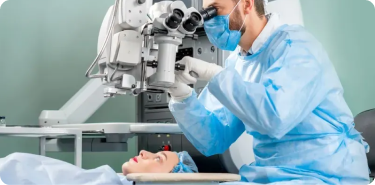
Cataract is a common age-related eye condition in which the natural lens of the eye becomes cloudy, leading to blurred or hazy vision.