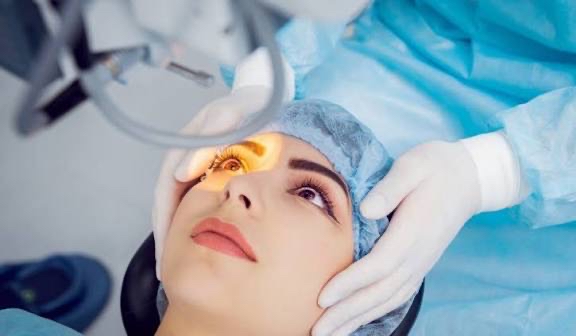
Cataract surgery is a major step toward clearer vision, but many patients wonder what happens after the procedure and how long it takes for vision to fully recover. While cataract surgery is quick, vision recovery happens gradually in stages. This guide explains the vision recovery timeline after cataract surgery so you know what to expect in the hours, days, and weeks following the procedure. What Happens Immediately After Cataract Surgery After cataract surgery, patients usually rest briefly at the clinic and are discharged the same day. Vision may not be perfectly clear right away, which is completely normal. At Aloka Eye Clinic, patients are guided on what sensations are expected in the first few hours to avoid unnecessary worry. Vision in the First Few Hours In the first few hours after surgery, vision may appear blurry, hazy, or slightly cloudy. Some patients notice brighter colors and increased light sensitivity. These early changes are a normal part of the healing process. Common Sensations After Surgery Mild discomfort, watering, a gritty feeling, or slight redness can occur. These symptoms usually improve within a short time and are managed with prescribed eye drops. Vision Recovery: First 24 to 48 Hours The first one to two days after cataract surgery are important for initial healing. Most patients notice gradual improvement during this period. What Vision Feels Like During This Phase Vision often becomes clearer, though it may fluctuate. Some patients experience sharp vision at times and mild blur at others, which is normal. Depth perception may feel slightly different as the eye adjusts to the new lens. Activities Allowed in the First Two Days Light activities such as walking, watching television, and using a mobile phone are usually allowed. Patients are advised to avoid rubbing the eye, bending excessively, or lifting heavy objects. Vision Recovery: First Week After Surgery By the end of the first week, many patients experience noticeable improvement in vision. The eye continues to heal internally, even if vision already feels much better. Improvements You May Notice Vision becomes sharper, colors appear brighter, and glare may reduce. Many patients report improved clarity compared to before surgery. Follow-up visits help ensure the eye is healing properly. Eye Drops and Care During the First Week Eye drops must be used exactly as prescribed to prevent infection and reduce inflammation. Skipping doses can delay healing. Vision Recovery: One to Four Weeks After Surgery This phase marks continued stabilization of vision. Healing progresses steadily, and the eye adapts fully to the intraocular lens. When Vision Stabilizes For most patients, vision stabilizes within three to four weeks. Final visual clarity depends on individual healing and the type of lens implanted. Returning to Normal Activities Driving, exercise, and regular daily activities can usually be resumed once approved by your eye specialist. Patients at Aloka Eye Clinic are guided individually based on recovery progress. When Will I Get New Glasses After Cataract Surgery Many patients wonder when they can update their glasses prescription after surgery. Eye specialists usually recommend waiting a few weeks until vision stabilizes before prescribing new glasses, if needed. What Is Normal and What Is Not During Recovery Understanding normal recovery signs helps reduce anxiety after surgery. Normal Symptoms Mild blurriness that improves gradually Light sensitivity Mild redness or irritation These symptoms usually improve with time and proper eye drop use. When to Contact Your Eye Doctor You should contact your eye doctor immediately if you experience severe pain, sudden vision loss, increasing redness, or discharge from the eye. Life After Full Recovery From Cataract Surgery After full recovery, most patients enjoy clearer, brighter vision and improved quality of life. Everyday activities such as reading, driving, and watching television often become easier and more comfortable. Some patients may still need glasses for specific tasks, depending on the type of intraocular lens used. Frequently Asked Questions About Vision Recovery Patients often have questions about healing and vision changes after surgery. How long does it take to see clearly after cataract surgery Many patients see improvement within a few days, but full stabilization usually takes three to four weeks. Is blurry vision normal after cataract surgery Yes. Mild blurriness is common in the early recovery phase and improves gradually. Can vision get worse before it gets better Vision may fluctuate during healing. This is normal and usually temporary. Will both eyes recover at the same speed Recovery can vary between eyes. One eye may heal faster than the other. Choosing the Right Eye Clinic for Post-Surgery Care Proper post-operative care is just as important as the surgery itself. Regular follow-ups, guidance, and monitoring help ensure smooth recovery and optimal vision outcomes. Book a Post-Surgery Follow-Up at Aloka Eye Clinic If you have recently undergone cataract surgery or are planning one, professional post-operative care is essential for safe recovery. At Aloka Eye Clinic, patients receive personalized follow-up care to support healing and vision improvement at every stage. 📅 Book your consultation today! 📞 +971 45466379 Many patients enjoy clear vision after cataract surgery but later notice blurred vision again and worry whether their cataract has returned. This concern is very common and often leads to confusion and unnecessary anxiety. This blog explains whether cataracts can come back after surgery, what actually causes vision changes later on, and how these conditions are treated safely. Understanding What Happens During Cataract Surgery During cataract surgery, the cloudy natural lens of the eye is completely removed and replaced with a clear artificial lens called an intraocular lens. Because the natural lens is removed, a cataract itself cannot grow back. However, some patients may experience vision changes Related Blogs 5 Things To Decide Before Undergoing Cataract Surgery Cataract is a common age-related eye condition in which the natural lens of the eye becomes cloudy, leading to blurred or hazy vision. Read More Pterygium: When Sunlight Starts Growing on Your Eye Have you noticed a small, fleshy growth on the white part of your eye that seems to be slowly moving toward the cornea? Read More Glaucoma: The Silent Thief That Steals Vision Without Warning Glaucoma is one of the leading causes of irreversible
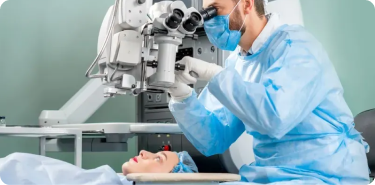
Cataract is a common age-related eye condition in which the natural lens of the eye becomes cloudy, leading to blurred or hazy vision.