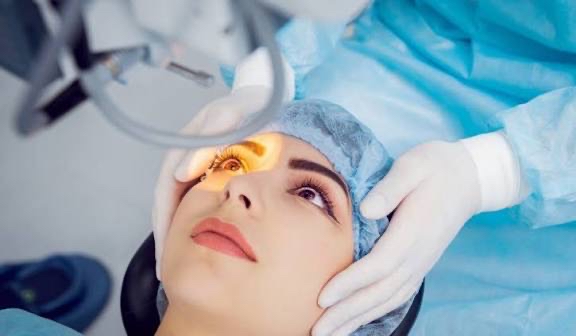
Many patients enjoy clear vision after cataract surgery but later notice blurred vision again and worry whether their cataract has returned. This concern is very common and often leads to confusion and unnecessary anxiety. This blog explains whether cataracts can come back after surgery, what actually causes vision changes later on, and how these conditions are treated safely. Understanding What Happens During Cataract Surgery During cataract surgery, the cloudy natural lens of the eye is completely removed and replaced with a clear artificial lens called an intraocular lens. Because the natural lens is removed, a cataract itself cannot grow back. However, some patients may experience vision changes months or years later due to another condition, which is often mistaken for cataract recurrence. Can a Cataract Come Back After Surgery? The simple medical answer is no. Once a cataract is removed, it cannot return. However, vision may become cloudy again due to a different condition that affects the lens capsule left inside the eye after surgery. Understanding this distinction helps patients avoid unnecessary worry. What Causes Blurry Vision After Cataract Surgery Blurred vision after cataract surgery is most commonly caused by a condition known as posterior capsule opacification. This is not a cataract, but it can cause symptoms similar to cataracts. What Is Posterior Capsule Opacification During cataract surgery, the natural lens is removed, but the thin membrane that holds the lens in place is left intact to support the artificial lens. Over time, this membrane can become cloudy due to cell growth, leading to blurred or hazy vision. This condition is called posterior capsule opacification. How Common Is Posterior Capsule Opacification Posterior capsule opacification is relatively common and can develop months or even years after cataract surgery. Not all patients develop it, and its occurrence varies from person to person. Symptoms That May Feel Like Cataract Coming Back Patients with posterior capsule opacification often experience symptoms similar to cataracts, which can cause confusion. These symptoms may include: Gradual blurring of vision Increased glare, especially in bright light Difficulty reading or seeingfine details Reduced contrast and clarity. If these symptoms appear after cataract surgery, an eye examination is needed to identify the cause. How Vision Is Restored If Cloudiness Occurs The good news is that posterior capsule opacification is easily treatable and does not require repeat cataract surgery. YAG Laser Capsulotomy Explained Posterior capsule opacification is treated with a simple laser procedure called YAG laser capsulotomy. This procedure creates a small opening in the cloudy membrane to allow light to pass through clearly. The treatment is quick, painless, and usually completed in a few minutes. Recovery After YAG Laser Treatment Most patients notice improved vision within hours or days after the procedure. Recovery is fast, and normal activities can usually be resumed shortly after treatment. Is Posterior Capsule Opacification Preventable While posterior capsule opacification cannot always be prevented, modern surgical techniques and lens designs help reduce its occurrence. Regular follow-up visits allow early detection and timely treatment if it develops. Frequently Asked Questions About Cataracts After Surgery Patients often have questions when vision changes occur after cataract surgery. Can cataracts return years after surgery No. Cataracts cannot return once removed. Vision changes are usually due to posterior capsule opacification or other eye conditions. Does posterior capsule opacification mean surgery failed No. It is a common and treatable condition and does not mean cataract surgery was unsuccessful. Is YAG laser treatment safe Yes. YAG laser capsulotomy is a safe and widely used procedure with a high success rate. Will vision problems return again after laser treatment In most cases, posterior capsule opacification does not return after laser treatment. When to See an Eye Specialist Any change in vision after cataract surgery should be evaluated by an eye specialist. Early assessment helps identify the cause and ensures timely treatment. Book an Eye Evaluation at Aloka Eye Clinic If you are experiencing blurred vision after cataract surgery and are concerned about cataracts returning, a professional eye examination can provide clarity and reassurance. At Aloka Eye Clinic, patients receive comprehensive evaluations to identify the cause of vision changes and receive appropriate treatment. 📅 Book your consultation today! 📞 +971 45466379 Many patients enjoy clear vision after cataract surgery but later notice blurred vision again and worry whether their cataract has returned. This concern is very common and often leads to confusion and unnecessary anxiety. This blog explains whether cataracts can come back after surgery, what actually causes vision changes later on, and how these conditions are treated safely. Understanding What Happens During Cataract Surgery During cataract surgery, the cloudy natural lens of the eye is completely removed and replaced with a clear artificial lens called an intraocular lens. Because the natural lens is removed, a cataract itself cannot grow back. However, some patients may experience vision changes Related Blogs 5 Things To Decide Before Undergoing Cataract Surgery Cataract is a common age-related eye condition in which the natural lens of the eye becomes cloudy, leading to blurred or hazy vision. Read More Pterygium: When Sunlight Starts Growing on Your Eye Have you noticed a small, fleshy growth on the white part of your eye that seems to be slowly moving toward the cornea? Read More Glaucoma: The Silent Thief That Steals Vision Without Warning Glaucoma is one of the leading causes of irreversible blindness worldwide—and what makes it truly dangerous is that it often develops without noticeable Read More What to Expect Before, During, and After Cataract Surgery Cataract surgery is one of the most commonly performed and safest eye procedures worldwide. Still, many patients feel anxious simply because they are unsure about Read More Types of Intraocular Lenses Explained | Aloka Eye Clinic Choosing the right intraocular lens is one of the most important decisions during cataract surgery. Many patients searching online feel confused by terms Read More Is Cataract Surgery Painful? Myths vs Facts One of the most common concerns patients have before cataract surgery is whether the procedure is painful. Fear and misinformation often lead patients Read More When Is the Right Time to Have Cataract Surgery? Cataracts develop gradually, and deciding
Cataract is a common age-related eye condition in which the natural lens of the eye becomes cloudy, leading to blurred or hazy vision.